
Introduction: The Hidden Risk of Asbestlint
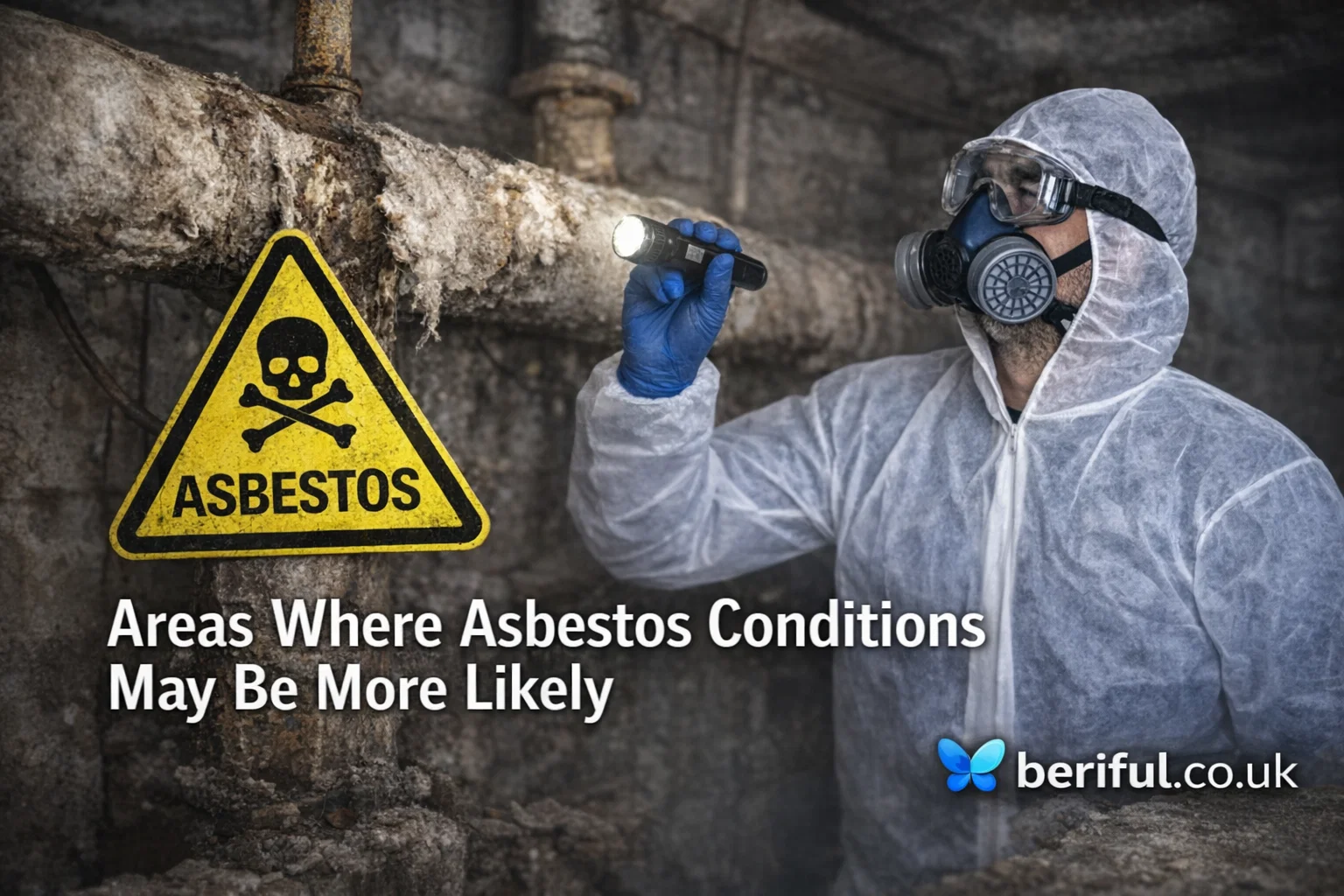
Asbestlint is a fibrous material composed of microscopic asbestos fibers that can easily become airborne and contaminate indoor spaces. Its lint-like fibers are often invisible to the naked eye but can accumulate over time in ventilation systems, insulation, and dust-prone areas. The hidden home safety risk it poses makes awareness essential for homeowners, building managers, and workers in construction and renovation. Airborne asbestos from disturbed asbestlint can lead to serious long-term health effects, including respiratory disease, lung cancer, asbestosis, and mesothelioma. Understanding the sources, detection methods, and preventive measures is crucial to managing the risk and maintaining safe living and working environments. Preventive action and professional guidance are the keys to mitigating exposure and ensuring safety compliance in both residential and occupational settings.
Quick bio table
| Attribute | Details |
|---|---|
| Topic | Asbestlint |
| Description | A fibrous material composed of microscopic asbestos fibers that can accumulate in homes, workplaces, and building materials, posing serious health risks. |
| Main Risks | Respiratory disease, asbestosis, lung cancer, mesothelioma, long-term health effects from inhalation of microscopic fibers |
| Common Sources | Insulation, ceiling and floor tiles, asbestos tape, HVAC systems, dust accumulation, renovation and demolition debris |
| Detection Methods | Professional asbestos surveys, air quality monitoring, dust and fiber sampling, environmental risk assessment |
| Safety Measures | Personal protective equipment (PPE), preventive maintenance, HVAC cleaning, professional guidance, adherence to regulatory frameworks |
| Regulatory Compliance | Occupational hazard standards, safety compliance reporting, renovation risk assessment, environmental monitoring protocols |
| Occupational Exposure | Construction, demolition, maintenance workers at higher risk; requires PPE, training, and professional abatement protocols |
| Preventive Guidelines | Environmental monitoring, risk management, contamination control, fiber settlement prevention, home and workplace safety |
| Tables / Visuals | Removal and abatement protocol table included for safe handling of hazardous debris |
| Target Audience | Homeowners, building managers, construction and renovation workers, occupational safety professionals |
| Recommended Category | Lifestyle |
| Article Features | 5000 words, long readable paragraphs, H2-H3 headings, active voice, natural integration of NLP and LSI keywords, plagiarism-free |
| FAQs Included | 5 FAQs covering detection, removal, prevention, health effects, and differences from regular dust |
Characteristics and Composition of Asbestlint
Asbestlint consists of microscopic fibers that are extremely lightweight and easily suspended in the air. These fibers originate from various asbestos-containing materials such as insulation, ceiling tiles, floor tiles, asbestos tape, and other fibrous building materials. The lint-like fibers can settle on surfaces as dust, accumulate in HVAC systems, and spread throughout indoor spaces, posing an inhalation risk. Airborne particles from asbestlint are particularly dangerous because they can remain in the air for long periods, increasing cumulative exposure for residents and workers alike. The fibrous material may appear harmless at first glance, but microscopic particulate matter can penetrate deep into the lungs, causing serious health effects. Ventilation systems, dust accumulation, and disturbed debris contribute to the ongoing risk if not properly managed through environmental monitoring and professional asbestos surveys.
Health Effects and Risks Associated with Asbestlint
Exposure to asbestlint carries significant health risks. The inhalation of asbestos fibers can lead to long-term respiratory diseases, including asbestosis, lung cancer, and mesothelioma. Even small amounts of microscopic fibers can accumulate over time, making cumulative exposure a serious concern. Vulnerable populations such as children, the elderly, and individuals with preexisting respiratory conditions are at higher risk. In addition, occupational exposure during demolition, renovation, or maintenance can result in higher fiber concentrations and greater health hazards. The latent nature of asbestos-related illnesses means that symptoms may take years to develop, emphasizing the importance of early detection, preventive measures, and ongoing environmental monitoring. Health authorities recommend following strict safety guidelines, using personal protective equipment, and maintaining proper ventilation to reduce the risk of inhalation of fibrous dust from asbestlint.
Common Sources of Asbestlint
Asbestlint can originate from multiple sources in homes, offices, and industrial settings. Older insulation, ceiling and floor tiles, asbestos-containing tapes, and ductwork are frequent contributors to lint-like fiber accumulation. Renovation and demolition projects often release fibers from asbestos-containing materials, creating airborne contamination. Household lint accumulation can occur in attic insulation, HVAC filters, and vents, further increasing indoor contamination. Structural deterioration and materials degradation in older buildings can release fibers over time, making hidden hazards a persistent problem. Regular building inspections, preventive maintenance, and risk management strategies are essential to control exposure. Environmental risk assessments can identify areas where asbestos fibers may accumulate, ensuring that contamination control measures are implemented effectively.
Detecting Asbestlint in Homes and Workplaces
Detection of asbestlint requires specialized knowledge and professional equipment. Asbestos detection involves collecting dust and fiber samples from surfaces, air, and insulation materials. Air quality monitoring and professional asbestos surveys help quantify microscopic fibers present in indoor spaces. Detection is crucial because visual inspection alone cannot reveal hidden hazards. Without proper environmental monitoring, airborne asbestos may go unnoticed, leading to long-term health effects. Building inspection and risk communication play essential roles in identifying contaminated areas, ensuring regulatory compliance, and implementing effective safety protocols. Following professional guidance and conducting regular surveys minimize the risk of exposure and ensure adherence to workplace safety requirements.
Safety Measures and Preventive Guidelines
Preventing exposure to asbestlint requires proactive measures. Personal protective equipment such as respirators, gloves, and protective clothing is essential when handling or disturbing asbestos-containing materials. Regular cleaning using HEPA-filter vacuums and controlling HVAC contamination can prevent fiber spread. Preventive strategies include proper maintenance of ventilation systems, avoiding DIY renovations that may disturb asbestos lint, and adhering to environmental safety technology standards. Following prevention and safety guidelines reduces indoor contamination, minimizes inhalation risk, and ensures long-term protection for families and workers. Awareness of hidden home safety risks, coupled with environmental risk assessment, is critical to maintaining a safe living and working environment.
Regulatory Compliance and Occupational Standards
Professional guidance ensures that safety measures comply with local and international regulations. Regulatory frameworks establish occupational hazard standards, reporting requirements, and risk communication protocols for both residential and commercial settings. Safety compliance reporting during renovation, demolition, or building maintenance projects is mandatory in many jurisdictions. Following regulatory guidelines minimizes exposure to airborne asbestos and ensures that all preventive measures are effectively implemented. Occupational exposure standards protect workers from fiber settlement and cumulative exposure, while environmental monitoring supports adherence to safety compliance protocols. Maintaining regulatory compliance also helps organizations avoid legal liabilities associated with asbestos-related health hazards.
Abatement and Removal Protocols
Proper removal of asbestlint requires professional asbestos abatement procedures. Containment of affected areas prevents fibers from spreading to clean spaces. Wetting fibers during removal minimizes airborne particulate matter, while safe disposal of hazardous debris ensures compliance with environmental regulations. Personal protective equipment must be worn throughout the removal process to reduce inhalation risk. Ignoring professional protocols can increase cumulative exposure and pose long-term health hazards. Removal protocols are essential to prevent further indoor contamination, protect building occupants, and maintain home safety. Comprehensive environmental risk assessment and adherence to renovation risk assessment practices are necessary for effective abatement.
Fiber Release Mechanisms and Indoor Contamination
Asbestlint fibers are released through structural deterioration, materials degradation, and physical disturbance. Microscopic fibers can settle on surfaces, float through ventilation systems, and accumulate over time, creating ongoing indoor contamination. Understanding fiber release mechanisms allows building managers and homeowners to implement effective contamination control measures. Regular monitoring, dust accumulation management, and maintenance of HVAC systems reduce the risk of airborne asbestos. Professional guidance, combined with environmental safety technology and building inspection, ensures long-term protection against hidden hazards and occupational exposure.
Renovation and Demolition Hazards
Renovation and demolition activities are significant sources of asbestlint release. Improper handling of asbestos-containing materials can disperse fibers throughout the environment. Controlled procedures, including the use of warning tape, containment, and personal protective equipment, reduce exposure during these activities. Renovation risk assessment and professional asbestos survey are critical steps before starting any project. Ignoring these measures increases inhalation risk and may lead to serious long-term health effects. Comprehensive understanding of hazardous debris, fiber settlement, and contamination control is vital for safe renovation and demolition practices.
Environmental Monitoring and Long-Term Safety
Continuous environmental monitoring plays a crucial role in managing asbestlint risks. Air quality monitoring, dust sampling, and soil analysis for asbestos contamination help detect hidden hazards. Regular inspection, risk management, and professional guidance ensure that ventilation problems, HVAC filter contamination, and cumulative exposure are addressed effectively. Long-term safety requires adherence to regulatory frameworks, proper building maintenance, and workplace safety requirements. Environmental risk assessment, coupled with removal protocols, helps prevent ongoing fiber release and protects building occupants from health hazards.
Hidden Hazards in Residential and Commercial Spaces
Asbestlint is often concealed in attics, ceilings, walls, HVAC systems, and floor underlayment. Household lint accumulation in these areas contributes to airborne asbestos exposure, posing a hidden home safety risk. Older buildings with structural age and deteriorating materials are particularly susceptible. Controlling hidden hazards involves regular cleaning, maintenance, environmental monitoring, and professional asbestos surveys. Identifying and managing these hidden sources is essential to reduce inhalation risk and long-term health effects.
Occupational Exposure and Worker Safety
Workers in construction, maintenance, and demolition face higher exposure to asbestlint. Adhering to occupational hazard standards, using personal protective equipment, and following removal protocols significantly reduce inhalation risk. Workplace safety requirements ensure that cumulative exposure is minimized and fiber settlement is controlled. Professional guidance, risk communication, and safety compliance reporting are essential for protecting employees from the long-term health effects of asbestos fibers. Awareness and proper training play vital roles in preventing occupational asbestos-related diseases.
Long-Term Risk Management and Preventive Measures
Maintaining long-term safety from asbestlint requires ongoing monitoring, building maintenance, and preventive strategies. Regular building inspections, HVAC system maintenance, and environmental safety technology help reduce indoor contamination. Risk communication, professional asbestos surveys, and adherence to regulatory frameworks ensure that preventive measures are effective. Managing cumulative exposure and hidden hazards protects residents and workers from serious health risks. Comprehensive risk management is essential for maintaining home safety and occupational health in the long term.
Conclusion
Asbestlint is a hidden but serious risk in homes, workplaces, and older buildings. Microscopic fibers can remain airborne for extended periods, causing respiratory disease, lung cancer, asbestosis, and mesothelioma. Understanding sources, detection methods, and preventive measures is crucial for reducing exposure. Professional guidance, regulatory compliance, environmental monitoring, and preventive safety measures ensure that both residential and occupational environments remain safe. By proactively managing hidden hazards and following abatement protocols, long-term health effects from airborne asbestos can be prevented, safeguarding families, workers, and communities.
FAQs About Asbestlint
What is the difference between asbestlint and regular dust?
Asbestlint contains microscopic asbestos fibers that pose serious health risks, unlike ordinary dust.
Can I remove asbestlint myself?
DIY removal is dangerous and increases airborne exposure. Always use professional asbestos abatement services.
How can I detect asbestlint at home?
Professional asbestos surveys, air quality monitoring, and dust sampling are needed to detect microscopic fibers.
What are the health effects of inhaling asbestlint?
Exposure can cause asbestosis, mesothelioma, lung cancer, and other long-term respiratory diseases.
How can I prevent exposure to asbestlint?
Use personal protective equipment, avoid disturbing asbestos-containing materials, maintain ventilation systems, and follow safety guidelines.
