
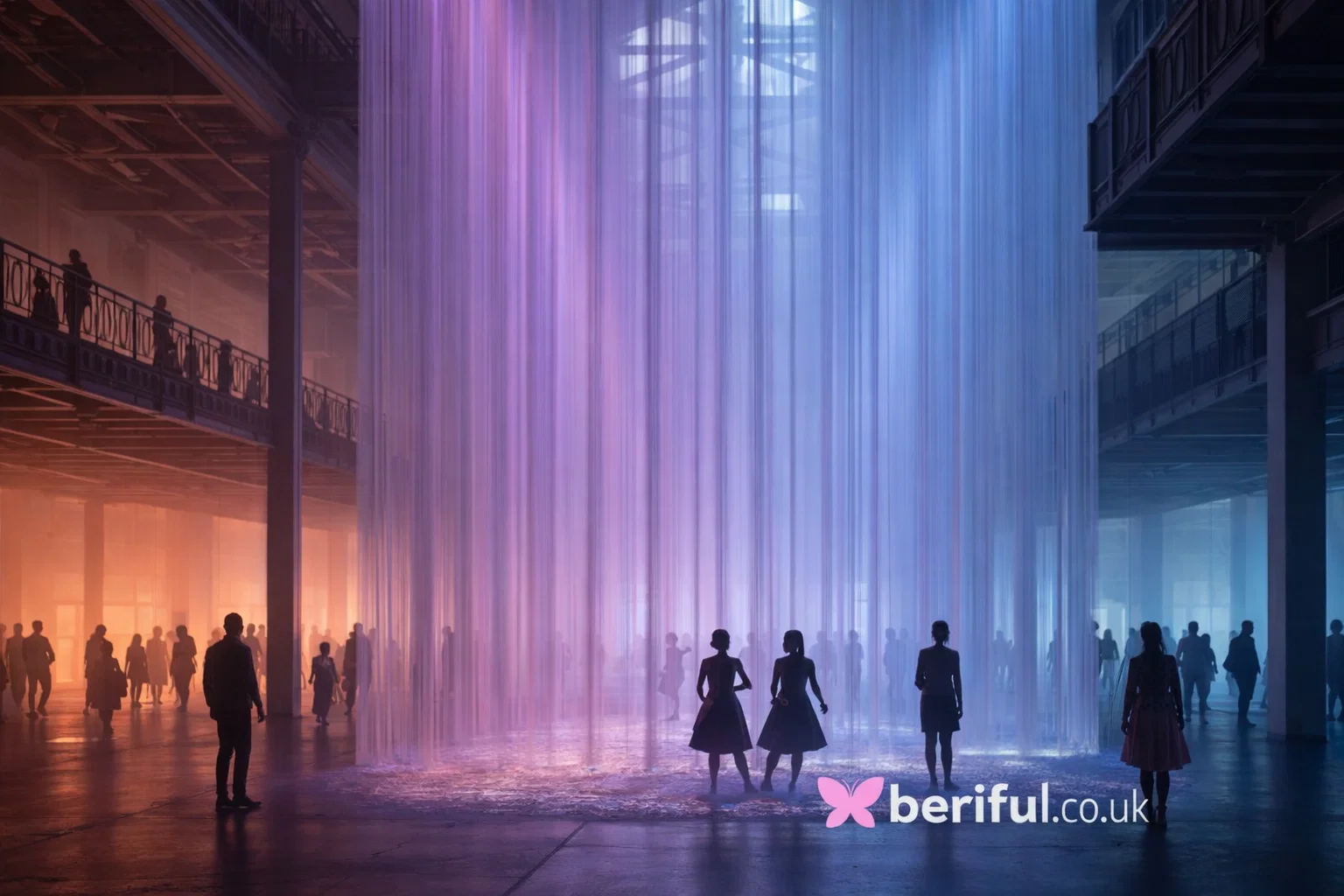
Introduction: The Rise of Spaietacle
Spaietacle has emerged as a revolutionary way to engage audiences with immersive spatial experiences. It combines storytelling, design, and technology into environments that captivate the senses. Participants interact with the space, becoming part of the narrative rather than passive observers. With each experience, designers aim to create emotional connections and long-lasting memories. Audiences are drawn to these experiences because they are dynamic, engaging, and sensory-rich. The combination of spatial design, immersive technology, and experiential storytelling makes Spaietacle unique.
Quick bio table
| Attribute | Details |
|---|---|
| Name / Concept | Spaietacle |
| Type | Immersive experience / spatial storytelling |
| Core Focus | Merging design, storytelling, and technology to create interactive, multi-sensory experiences |
| Key Features | Space + spectacle fusion, experiential storytelling, environment-driven narratives, audience participation |
| Technologies Used | Augmented reality (AR), Virtual reality (VR), Mixed reality (XR), Projection mapping, Spatial audio, AI adaptive storytelling |
| Design Principles | Human-centered design, experiential design framework, narrative architecture, sensory design / sensory orchestration |
| Platforms / Environments | Digital exhibition platforms, hybrid physical-digital experiences, immersive content platforms, interactive media systems |
| Applications | Experiential art installations, cultural festivals, public installations, experiential marketing, educational environments |
| Audience Role | Active engagement, co-creation, participatory storytelling, dynamic interaction, presence over observation |
| Benefits | Multi-sensory engagement, emotional connection, immersive brand experiences, experiential learning, hybrid experiences |
| Trends / Future | AI adaptive storytelling, spatial computing, hybrid experiences, technology-enhanced engagement, immersive narrative environments |
| Related Concepts | Immersive experience design, spatial narrative flow, storytelling through space, environment as performance stage, sensory-rich narratives |
| Industry Impact | Art, culture, education, marketing, experience economy |
What Is Spaietacle?
Spaietacle is a concept that blends space and spectacle to create fully immersive experiences. The environments act as narratives, and audience participation drives the story forward. Interactive media systems allow real-time responses to participants’ actions, making each visit unique. Spatial design and sensory orchestration work together to stimulate sight, sound, and touch. Audiences move through adaptive environments that respond to their presence. Digital storytelling platforms enhance the experience, providing layered narratives across physical and virtual spaces.
The Technology Behind Spaietacle
Technology powers the immersive nature of Spaietacle. Augmented reality, virtual reality, and mixed reality are integrated with projection mapping and spatial audio. AI adaptive storytelling personalizes the experience for each audience member. Immersive content platforms enable hybrid physical-digital experiences. Real-time interaction systems allow participants to co-create narratives. Designers use technology-enhanced engagement to maintain attention and emotion. Adaptive environments respond to audience movement, sound, and visual cues. Every technological element supports the central goal: creating fully immersive, emotionally engaging experiences.
Experiential Storytelling in Action
Storytelling is the core of Spaietacle experiences. Space becomes a medium for narrative architecture, guiding audiences through carefully designed story flows. Participatory storytelling allows individuals to interact with the environment. Spatial narrative flow ensures continuity across the experience. Sensory narrative layers create depth, engaging sight, sound, and touch simultaneously. Environmental interaction systems allow real-time audience impact on the story. Dynamic audience interaction keeps the experience fresh for repeat visits. Story-driven environment design ensures that the narrative unfolds naturally as participants explore.
Designing Immersive Environments
Human-centered design principles underpin Spaietacle. Every element is crafted to optimize multi-sensory engagement. Designers consider spatial exploration narratives, adaptive soundscapes, and interactive visual projections. Experiential design frameworks ensure cohesive storytelling across hybrid environments. Sensory design creates emotional resonance while guiding attention to key elements. Environments are responsive, adapting to participant movement and choice. Audience co-creation is encouraged, making each journey unique. Designers use mixed reality to blend physical and virtual spaces seamlessly, heightening presence and immersion.
Blending Digital and Physical Worlds
Spaietacle thrives on the fusion of real-world and virtual spaces. Digital and physical fusion allows audiences to navigate hybrid environments. Digital exhibition platforms and immersive content platforms create seamless transitions between worlds. Spatial computing tracks participant interactions, personalizing narrative outcomes. Real-time interactive experiences ensure engagement remains high. Adaptive environments adjust in response to audience behavior. Immersive technology bridges the gap between observation and action. The experience economy benefits as audiences seek participatory, immersive experiences.
The Role of Audience Participation
Active engagement defines Spaietacle. Audience participation transforms experiences from passive observation to co-creation. Individuals influence environment-driven narratives, shaping outcomes through interaction. Real-time adaptive systems respond to audience choices. Human-tech collaboration ensures a fluid interaction between participant and environment. The experience is personal, memorable, and emotionally resonant. Dynamic audience interaction maintains attention and excitement throughout. Participants feel present in the narrative, enhancing both sensory and emotional impact.
Immersive Art Installations
Spaietacle has redefined immersive art installations. Cultural festivals and public installations leverage spatial design to create storytelling environments. Participatory storytelling ensures that visitors are not observers but active contributors. Sensory-rich narratives, combined with adaptive soundscapes and spatial audio, immerse participants fully. Hybrid physical-digital experiences allow engagement with digital art layers. Interactive visual projections create dynamic environments that respond to movement. Experiential art and culture thrive when these installations engage audiences in meaningful ways.
Experiential Marketing and Brand Engagement
Brands now use Spaietacle for immersive experiences. Experiential marketing leverages interactive show design and human-centered design principles. Audiences engage in multi-sensory interactions that evoke emotion and create memorable brand impressions. Immersive brand experiences provide opportunities for dynamic audience interaction. The experience economy favors participatory campaigns that blend technology and storytelling. Digital exhibition platforms support hybrid brand activations. Technology-enhanced engagement allows for responsive storytelling that adapts to audience behavior. These strategies increase brand loyalty and awareness.
Educational and Cultural Impact
Spaietacle enhances learning through experiential education. Interactive exhibitions create environments that encourage exploration and discovery. Experiential learning environments improve knowledge retention and engagement. Spatial exploration narratives guide participants through curated educational experiences. Multi-sensory engagement stimulates attention and memory. Story-driven environment design provides context for information. Adaptive environments ensure learning is interactive and personalized. Immersive show production techniques bring abstract concepts to life in engaging ways.
Spatial Audio and Sensory Orchestration
Sound design is critical in Spaietacle. Spatial audio and adaptive soundscapes guide participant focus and emotional response. Sensory orchestration layers multiple audio and visual cues for emotional impact. Real-time interactive experiences integrate sound and visual stimuli to maintain immersion. Story-driven environment design ensures cohesive narrative flow. Human-centered design ensures sensory experiences remain intuitive and engaging. Participants respond to both visual and auditory stimuli, increasing presence and engagement. Immersive narrative environments achieve emotional resonance through coordinated sensory design.
The Future of Spaietacle
Spaietacle is evolving with AI adaptive storytelling and spatial computing. Hybrid environments allow increasingly sophisticated interactions. Human-tech collaboration creates responsive and adaptive experiences. Immersive content platforms and digital storytelling tools expand possibilities for narrative architecture. Emotional engagement experiences will grow as technologies enhance sensory design. Presence over observation will continue to define successful experiences. The experience economy drives demand for participatory, immersive content. Cultural festivals, public installations, and hybrid exhibitions will increasingly adopt these techniques.
Challenges in Creating Spaietacle
Creating Spaietacle experiences requires careful planning. Technical limitations of AR, VR, and projection mapping can affect performance. Designers must balance sensory complexity with accessibility. Maintaining audience engagement without overwhelming participants is critical. Real-time interactive systems must function reliably. Hybrid environments require seamless integration of physical and digital elements. Iterative testing and adaptive design frameworks ensure high-quality experiences. Human-centered design principles remain central to overcoming challenges.
Key Benefits of Spaietacle Experiences
Spaietacle provides immersive brand experiences, participatory storytelling, and multi-sensory engagement. Hybrid physical-digital experiences bridge real-world and virtual spaces. Experiential education and learning environments benefit from adaptive narratives. Emotional engagement experiences create lasting memories. Dynamic audience interaction fosters co-creation and exploration. Story-driven environment design increases narrative retention. Presence over observation ensures participants feel connected to the experience. Sensory-rich narratives enhance both cognitive and emotional impact.
Conclusion
Spaietacle merges design, storytelling, and technology to redefine how audiences interact with environments. Interactive media systems, immersive technology, and spatial computing create hybrid experiences that are personal and dynamic. Participatory storytelling, human-centered design, and multi-sensory engagement allow for meaningful audience interaction. Experiential education, immersive art installations, and brand activations benefit from Spaietacle approaches. As AI adaptive storytelling and hybrid experiences evolve, immersive content platforms will continue to shape cultural, educational, and marketing experiences worldwide.
FAQs
- What makes Spaietacle different from traditional exhibitions?
Spaietacle combines immersive technology, interactive environments, and participatory storytelling for engaging experiences. - How is audience engagement integrated?
Participants co-create narratives through adaptive environments and interactive media systems in real-time. - Which technologies are used in Spaietacle?
AR, VR, XR, projection mapping, spatial audio, and AI adaptive storytelling are integrated. - Can Spaietacle be used for marketing?
Yes, brands use immersive experiences to create emotional engagement and experiential brand experiences. - What is the future of Spaietacle?
AI adaptive storytelling, spatial computing, and hybrid experiences will continue to expand immersive possibilities.
