
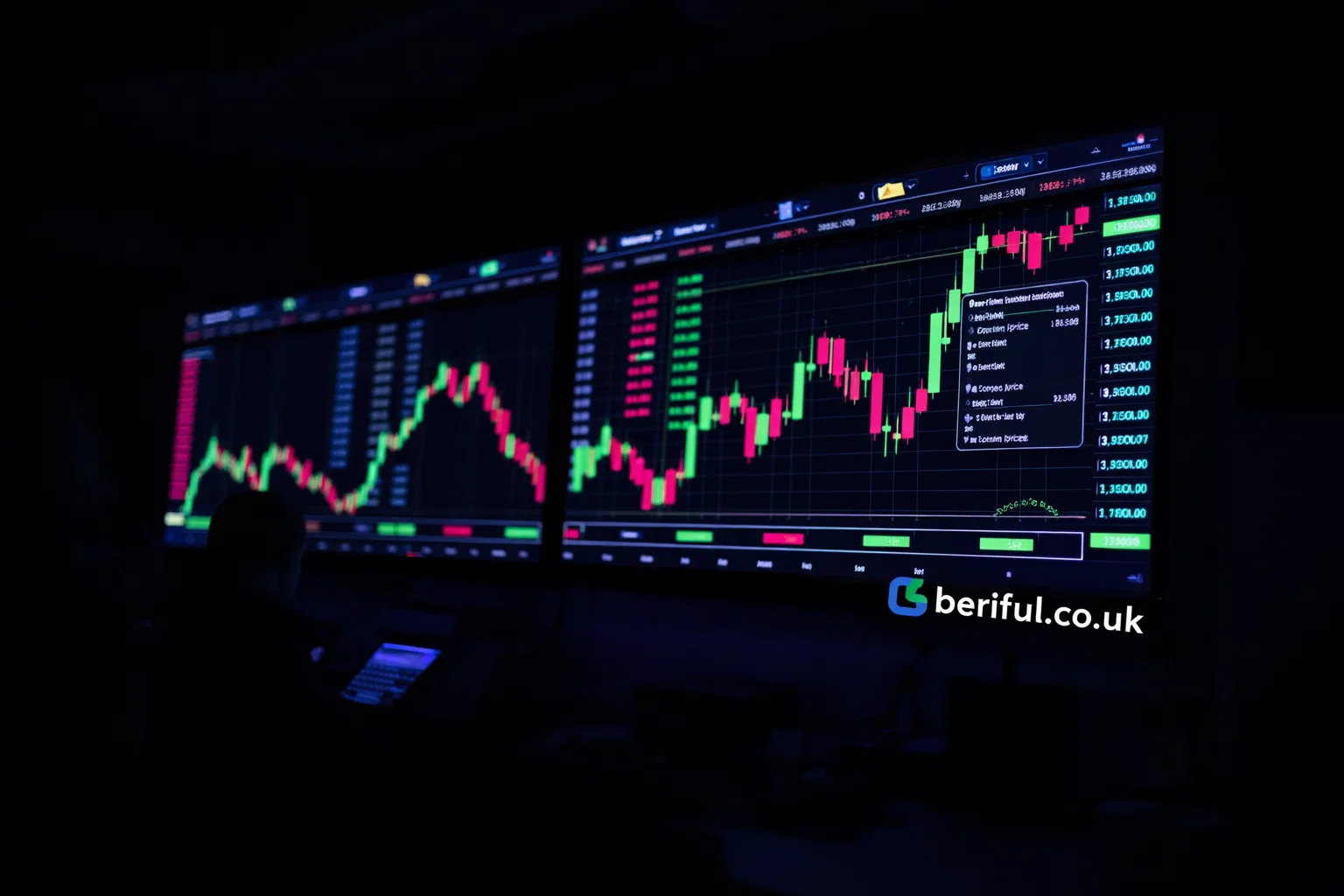
Introduction to Profitable Intraday Trading
Intraday trading involves buying and selling stocks within the same trading day to capture short-term price movements. It offers traders an opportunity to earn quick profits by leveraging market volatility. Unlike long-term investing, day trading demands attention, planning, and immediate decision-making skills. Profitable Intraday Trading Advice 66UnblockedGames.com trading depends on disciplined execution of strategies, proper risk management, and monitoring of technical indicators. Traders must identify liquid stocks to ensure smooth entry and exit points. Using demo accounts or paper trading can help beginners gain experience without risking real money. Trading psychology and consistency are crucial to avoid emotional mistakes and overtrading risk.
Quick bio table for Profitable Intraday Trading Advice 66UnblockedGames.com
| Attribute | Details |
|---|---|
| Name | Profitable Intraday Trading Advice 66UnblockedGames.com |
| Specialty | Profitable Intraday Trading Advice |
| Expertise | Day trading, intraday trading, scalping strategy, breakout trading, momentum trading, trend following |
| Services | Trading strategies, risk management guidance, technical indicator analysis, trading psychology support, demo accounts / paper trading |
| Tools | Trading platforms, VWAP, support and resistance, moving averages, RSI, MACD, trading journal, trading checklist |
| Target Audience | Beginners and intermediate traders seeking profitable intraday trading strategies |
| Key Features | High-probability setups, entry and exit point guidance, market open timing strategies, discipline in trading, minimizing transaction costs and brokerage fees |
| Benefits | Quick profits, improved risk-reward ratio, reduced overtrading risk, better decision-making, consistent trading performance |
| Education / Resources | Articles, tutorials, demo accounts, journal tracking, technical indicator guides |
| Mission | Empower traders to achieve consistent, profitable intraday trading results with structured strategies, psychological discipline, and practical tools |
Why Day Trading Appeals to Modern Traders
Day trading appeals to traders because it provides flexibility, faster profit opportunities, and control over positions. Traders do not have to commit to long-term investments and can adjust strategies according to market conditions. Profitable Intraday Trading Advice 66UnblockedGames.com trading requires careful monitoring of entry and exit points, trend following, and momentum trading. Volatility is higher during market open timing, which creates opportunities for high-probability setups. Discipline in trading helps prevent impulsive decisions. Traders who ignore trading psychology and fail to plan often lose capital quickly. Overtrading risk is common when inexperienced traders chase quick profits without a proper trading checklist. Maintaining a journal enhances learning.
Understanding Key Technical Indicators
Technical indicators help traders make informed decisions in intraday trading. They provide insights into market trends, momentum, and potential breakout points. Popular indicators include VWAP (Volume Weighted Average Price), moving averages, RSI, MACD, and support and resistance levels. Trend following allows traders to ride momentum effectively while managing risk. Using multiple indicators together provides confirmation before entering trades. Monitoring volatility ensures traders choose the right liquid stocks for profitable intraday trading. High-probability setups are identified by analyzing technical signals along with market timing. Demo accounts help practice indicator interpretation and decision-making. Traders benefit from reviewing past trades to refine their strategies and improve outcomes.
Crafting a Strong Trading Strategy
A profitable intraday trading strategy combines risk management, trend analysis, and precise timing of trades. Scalping strategy and breakout trading offer short-term profit opportunities. Momentum trading captures rapid price movements effectively. Traders must maintain discipline in trading by adhering to stop-loss orders and evaluating risk-reward ratio for every position. Using technical indicators ensures better decision-making and reduces overtrading risk. Entry and exit points should be planned according to market trends and volatility. Beginners should practice strategies in demo accounts before committing capital. High-probability setups increase chances of consistent profits. A structured trading checklist helps monitor trades and maintain discipline.
Selecting the Right Stocks for Day Trading
Not all stocks suit intraday trading due to liquidity and volatility differences. Traders should focus on liquid stocks and large-cap shares to minimize slippage and transaction costs. High volume ensures quick execution, and monitoring support and resistance levels identifies potential breakout points. Beginners must avoid thinly traded stocks and those with unpredictable news-driven price swings. Market open timing affects volatility, creating opportunities for rapid gains. Choosing appropriate stocks helps reduce overtrading risk while maximizing profitable intraday trading potential. Technical indicators guide decision-making while trend following helps identify momentum. Daily research and consistent monitoring of stock behavior are essential for success in day trading.
Managing Risk Effectively
Risk management is crucial to preserve capital in intraday trading. Stop-loss orders, limit orders, and risk-reward ratio calculations help protect against large losses. Traders should avoid overtrading risk and stick to predefined trading checklists. Position sizing ensures losses remain manageable while allowing for profitable trades. Monitoring volatility and technical indicators improves decision-making under changing market conditions. High-probability setups reduce risk by offering trades with favorable outcomes. Maintaining a trading journal helps track performance, analyze mistakes, and refine strategies. Consistent application of risk management ensures profitable intraday trading over time while building confidence and discipline in trading approaches.
The Role of Trading Psychology
Trading psychology affects every decision in intraday trading. Fear, greed, and impatience can lead to mistakes such as skipping stop-loss orders or entering low-probability trades. Discipline in trading ensures adherence to strategies and reduces impulsive behavior. Maintaining emotional control helps follow high-probability setups and proper entry and exit points. Overtrading risk diminishes when traders remain patient and consistent. Demo accounts provide a safe environment to practice emotional control. Daily journaling helps identify psychological patterns impacting decision-making. Traders who focus on psychology combined with technical indicators achieve sustainable profits. Quick profits are possible when emotional traps are avoided and strategies are executed consistently.
Timing Your Trades for Maximum Profit
Market open timing and intraday price patterns significantly influence trading results. Early trading hours often exhibit higher volatility, presenting opportunities for profitable intraday trading. Recognizing entry and exit points is crucial to maximize gains and reduce losses. Traders should close positions before market close to avoid overnight risk. Limit orders improve precision in buying and selling, controlling prices effectively. High-probability setups are easier to identify with trend-following indicators. Monitoring momentum trading signals helps capture rapid price movements. Consistent evaluation of technical indicators ensures decisions are based on data rather than speculation. Timing discipline supports both short-term profits and long-term growth.
Using the Right Trading Platform
A reliable trading platform simplifies execution, chart analysis, and tracking of technical indicators. Traders benefit from real-time data, customizable charts, and order execution speed. Demo accounts or paper trading allow beginners to practice strategies without risking capital. Integration with trading journals ensures systematic monitoring of trades. Trend-following and breakout trading require platforms with responsive performance and accurate execution. Large-cap shares and liquid stocks are easier to trade using quality platforms. Monitoring volatility, entry and exit points, and risk-reward ratio is more effective with reliable tools. Platform choice directly impacts scalability and efficiency in day trading, making it a critical component of profitable intraday trading.
Scalping and Momentum Trading Techniques
Scalping strategy involves multiple small trades targeting minor price movements. Momentum trading captures rapid trends, leveraging short-term volatility. Combining these strategies with technical indicators enhances probability of success. Traders must monitor liquid stocks and apply discipline in trading to avoid overtrading risk. Entry and exit points are chosen based on high-probability setups, trend following, and support/resistance analysis. Stop-loss orders protect against sudden reversals. Demo accounts help test techniques without risking real capital. Risk-reward ratio ensures gains outweigh potential losses. Consistent practice, journaling, and observation of market behavior are critical to mastering these intraday trading techniques.
Breakout Trading and VWAP
Breakout trading focuses on entering trades when prices surpass support or resistance levels. VWAP confirms trends and improves timing of breakout trades. Combining breakout trading with momentum analysis and technical indicators increases profitable intraday trading potential. Traders should monitor market open timing for volatility-driven breakouts. Liquid stocks and large-cap shares are preferred to ensure execution efficiency. Risk management remains vital with defined stop-loss orders and position sizing. Journaling trades helps identify successful breakout patterns. Overtrading risk is minimized when strategies follow predefined checklists. Consistent execution of breakout trades builds confidence and supports long-term profitability.
Building a Trading Journal
A trading journal records every trade, including strategy, entry and exit points, risk-reward ratio, and outcomes. Journals help track mistakes, identify profitable setups, and refine strategies. Maintaining daily records reinforces discipline in trading and reduces emotional decision-making. Analyzing trends in journal data improves decision-making and timing of future trades. Demo accounts can simulate journal practices before real trading. Trading psychology benefits from reflecting on past errors and successes. Monitoring overtrading risk, transaction costs, and technical indicators through a journal ensures systematic improvement. Journals become invaluable tools for traders aiming for consistent profitable intraday trading.
Minimizing Costs in Day Trading
Transaction costs, brokerage fees, and slippage affect profitability. Traders should choose low-cost brokers and limit trades to high-probability setups. Using limit orders reduces slippage and ensures desired prices. Calculating cost per trade and adjusting position size protects profit margins. Large-cap shares often reduce spreads and transaction costs. Monitoring volatility ensures trades remain efficient. Overtrading risk increases costs unnecessarily. Maintaining discipline in trading and tracking all expenses in a journal ensures net gains remain profitable. Technical indicators and trend-following strategies enhance efficiency by identifying the most cost-effective trading opportunities.
Common Mistakes to Avoid
Even experienced traders make mistakes. Beginners often trade emotionally, ignore stop-loss orders, or overtrade risky stocks. Failing to track entry and exit points or mismanaging risk-reward ratio reduces profitability. Skipping a trading checklist or journal review leads to repeated errors. Overtrading risk arises when chasing quick profits without strategy. Technical indicators must guide trades, not guesswork. Liquid stocks and trend-following setups increase success probability. Observing market open timing and volatility reduces risk. Consistent discipline in trading ensures mistakes do not repeat. Maintaining trading psychology and proper execution improves long-term profitability.
Conclusion
Profitable intraday trading requires disciplined strategies, technical indicators, and effective risk management. Using liquid stocks, identifying high-probability setups, and monitoring entry and exit points enhance profits. Trading psychology, including emotional control and patience, ensures sustainable performance. Journaling trades and tracking outcomes improves decision-making and reduces overtrading risk. Momentum trading, breakout trading, and scalping strategies provide diverse opportunities for gains. Minimizing transaction costs and brokerage fees preserves net profits. Demo accounts help beginners practice before committing capital. Consistent application of these principles supports long-term success and enables traders to achieve quick profits without compromising discipline.
FAQs About Intraday Trading
1. What is the best strategy for intraday trading?
Trend-following, momentum trading, breakout trading, and scalping strategies are effective when combined with risk management.
2. How can beginners reduce risk?
Using stop-loss orders, trading checklists, demo accounts, and focusing on liquid stocks lowers potential losses.
3. What are high-probability setups?
Trades with favorable risk-reward ratios confirmed by technical indicators and market timing.
4. How important is trading psychology?
Emotional control, patience, and discipline prevent overtrading and impulsive decisions, enhancing profits.
5. Should I keep a trading journal?
Yes. Journals track performance, refine strategies, and identify profitable setups consistently.
