
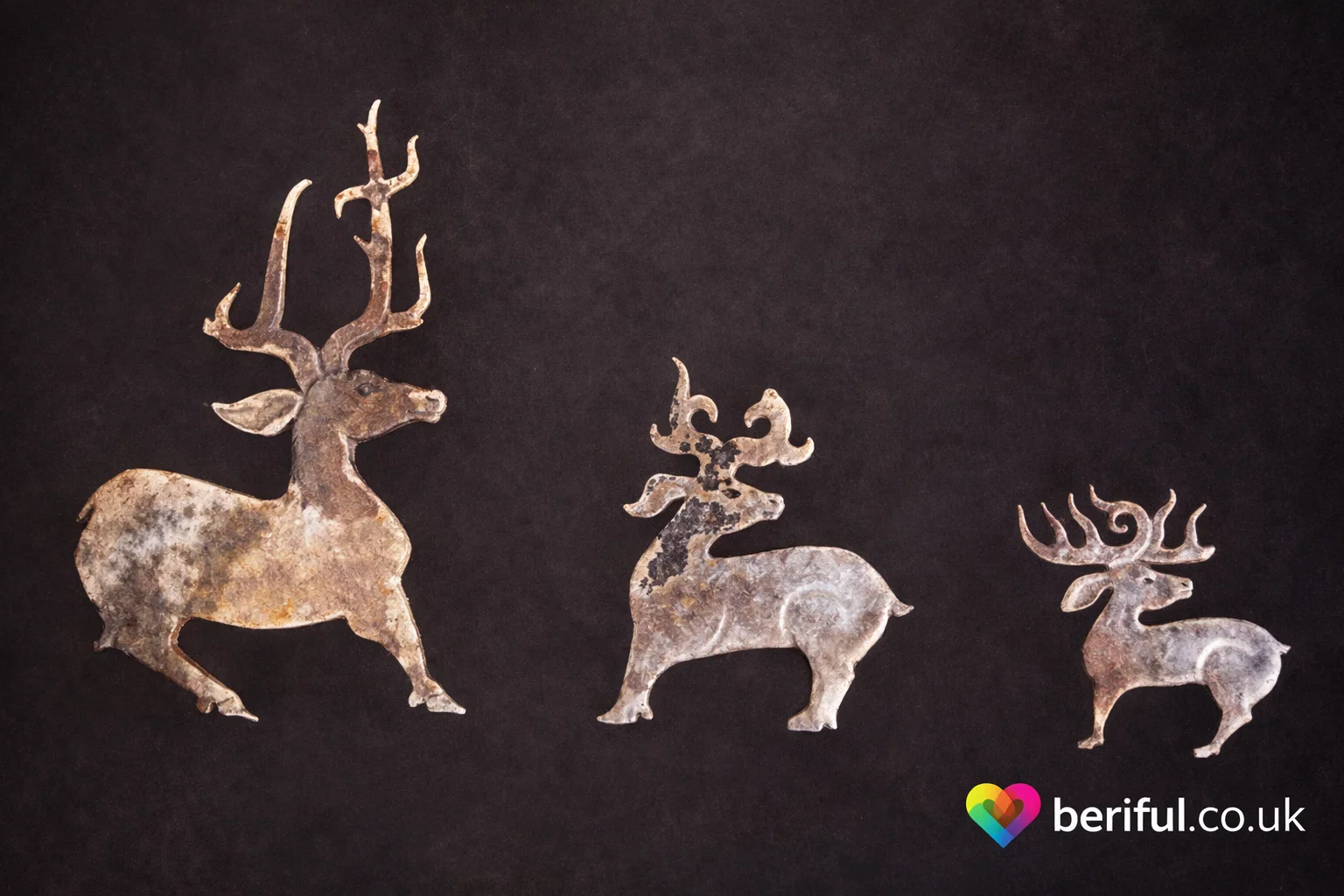
Introduction to Jade Venison
Jade venison refers to jade deer carvings highly valued in ancient China for both beauty and meaning. These carvings appear as ritual jade objects, jade pendants, and jade plaques. Deer symbolize longevity, prosperity, and purity. From Neolithic jade cultures to the Shang dynasty, jade venison has remained central in ceremonial and decorative art. These carvings were not only artistic but also carried spiritual significance. Over centuries, artisans refined jade carving techniques to bring life to animal figures. The evolution of jade venison illustrates the fusion of craftsmanship and ritual symbolism. Historical records and archaeological findings demonstrate its enduring importance. Museums today preserve these pieces to showcase the legacy of ancient Chinese artistry. Understanding jade venison allows insight into Chinese civilization and its cultural heritage.
Quick bio table
| Attribute | Details |
|---|---|
| Topic | Jade Venison |
| Definition | Jade deer carvings used in rituals, ornaments, and burial objects in ancient China |
| Material | Nephrite jade, Calcified jade |
| Historical Periods | Neolithic cultures (Liangzhu, Majiabang), Shang dynasty, Western Zhou dynasty, Bronze Age China |
| Types/Forms | Jade pendants, Jade plaque deer, Jade figurines, Jade bi (disc), Jade cong (tube) |
| Motifs & Symbols | Deer for longevity and prosperity, Phoenix motifs, Geometric shapes, Zoomorphic jade designs |
| Uses | Ritual jade objects, Funeral jade objects, Ceremonial use, Burial suits, Decorative art |
| Craftsmanship | Primitive carved jade pieces, Jade carving evolution, Precision engraving, Polishing and shaping techniques |
| Archaeological Sites | Jin site tomb, Beizhao village, Neolithic sites in Liangzhu and Majiabang |
| Cultural Significance | Spiritual guidance, Ritual symbolism, Taoist/Confucian practices, Social status, Heritage artifacts |
| Exhibitions & Collections | Jade exhibits, Museum collections, Jade-related showcases, Auctions of jade figurines and plaques |
| Historical Importance | Illustrates early Chinese sculpture, Prehistoric jade use, Ritual and ceremonial art, Jade evolution |
| Modern Relevance | Preserved in museums, Studied in art history, Inspires modern jade art, Educates about ancient civilization |
| Key Features | Long-lasting, Symbolically rich, Detailed craftsmanship, Lifelike animal representation, Artistic and spiritual value |
Origins of Chinese Jade
Chinese jade has been treasured for thousands of years. Early Neolithic cultures such as Liangzhu and Majiabang produced primitive carved jade pieces. Archaeological artifacts from Beizhao village and Jin site tombs show the earliest forms of nephrite jade and calcified jade. These pieces included ritual carvings, jade bi discs, and jade cong tubes. Neolithic jade was used for ceremonial purposes and burial offerings. The symbolic ritual objects reflected spiritual beliefs and social status. Prehistoric jade use laid the foundation for later dynasties. Jade figures often represented animals, humans, or abstract symbols. These early carvings reveal the beginnings of Chinese jade tradition. They illustrate the careful selection of jade and the early development of carving techniques. The cultural significance of jade began with these first ceremonial and ornamental pieces.
Shang Dynasty Jade Venison
During the Shang dynasty, jade venison reached a remarkable level of craftsmanship. Jade animal motifs such as deer were prominent in ritual jade objects and jade pendants. These carvings were used in ceremonial contexts and sometimes placed in tombs as burial objects. Artisans developed precise carving techniques for jade deer pendants, producing intricate details. The Shang dynasty saw the fusion of spiritual symbolism with artistic excellence. Jade deer carvings often accompanied phoenix motifs to convey harmony and immortality. Ritual carvings demonstrated both technical skill and cultural understanding. Bronze Age China also influenced jade carving styles, combining metal motifs with traditional jade designs. Archaeological artifacts from this period reveal the sophistication of jade venison. Jade exhibits in museums today display the artistry of Shang craftsmen. These pieces illustrate the integration of ritual symbolism and decorative elegance in early Chinese civilization.
Western Zhou Dynasty Developments
In the Western Zhou dynasty, jade craftsmanship evolved further with new designs and motifs. Jade plaque deer carvings became more common, reflecting refined artistic expression. The symbolism of deer continued to represent longevity and prosperity. Artisans experimented with tube jade forms and jade circle discs for ceremonial use. Ritual jade objects often combined geometric and animal motifs. Jade ornamentation became more elaborate, showcasing artistic innovation and cultural values. Funeral jade objects incorporated deer figures to ensure spiritual protection for the deceased. Jade production techniques advanced, allowing more precise carvings and smoother finishes. Archaeological artifacts reveal a greater diversity of jade animal carvings during this period. Jade exhibits in modern collections display these achievements and highlight the continuity of Chinese jade tradition. The evolution of jade deer carvings demonstrates the lasting importance of ritual symbolism and craftsmanship.
Craftsmanship of Jade Venison
The creation of jade venison required extraordinary skill and patience. Artisans shaped calcified jade and nephrite jade using abrasives and polishing tools. Fine details were added to depict realistic deer features. Jade deer pendants, plaques, and figurines were carefully finished to ensure aesthetic appeal. These objects were more than decorative; they served ceremonial and symbolic purposes. Jade craftsmanship evolution shows a progression from primitive carved jade pieces to intricate zoomorphic jade designs. Heritage jade artifacts reflect the sophistication of early Chinese sculpture. Techniques included grinding, polishing, and delicate engraving. The precision achieved in jade carving illustrates both technical mastery and artistic vision. Jade animal representations symbolized status, spiritual beliefs, and cultural values. Archaeological artifacts reveal the depth of skill required to produce jade venison across dynasties.
Jade Motifs and Symbolism
Jade venison carvings were imbued with meaning beyond decoration. Deer symbolized longevity, prosperity, and spiritual guidance. Phoenix motifs often accompanied deer in ritual carvings. Geometric motifs such as jade bi discs and jade cong tubes represented the universe and spiritual protection. Ritual symbolism was central to the creation and placement of jade artifacts. Jade burial objects conveyed the values and beliefs of ancient Chinese civilization. Funeral jade objects and jade ceremonial use highlight the spiritual purpose of these carvings. The artistic technique combined naturalistic representation with symbolic meaning. Cultural relics demonstrate how jade motifs for rank and authority communicated social hierarchies. Ancient Chinese rituals often included jade animal carvings to ensure spiritual protection and harmony. These motifs illustrate the rich interplay between art and spirituality in historical jades.
Archaeological Finds of Jade Venison
Excavations at Beizhao village and Jin site tombs uncovered jade venison among other archaic jade artifacts. These findings provide insight into prehistoric jade use and ritual practices. Burial objects included jade pendants, jade plaque deer, and other ceremonial items. Museums preserve these artifacts in jade exhibits and jade-related museum showcases. Jade provenance studies help trace the origins of nephrite jade and calcified jade pieces. Archaeological artifacts illustrate jade craftsmanship evolution and highlight the technical skills of early artisans. Heritage jade artifacts demonstrate the cultural importance of ritual carvings. The discovery of jade venison emphasizes the connection between spiritual beliefs and artistic expression. Prehistoric jade use in these sites reflects early Chinese civilization jade tradition. These objects continue to inform art history and cultural heritage studies.
Funeral and Ritual Uses
Jade venison played a significant role in burial customs and ritual ceremonies. Jade burial suits often incorporated deer motifs for spiritual guidance. Funeral jade objects symbolized purity, protection, and connection with ancestors. Taoist and Confucian ritual usage influenced the design and placement of jade artifacts. Symbolic ritual objects like jade venison served as intermediaries between the living and the spiritual realm. Jade purity symbolism ensured that these artifacts were associated with morality and harmony. Jade animal form carvings were common in ancient tombs. Archaeological artifacts reveal consistent patterns of ritual symbolism in burial practices. Jade ceremonial use extended to important social and spiritual events. Cultural relics highlight the enduring influence of jade in Chinese society.
Jade Venison as Art and Ornament
Beyond ritual purposes, jade venison served as art and ornament for both nobles and commoners. Jade animal representations adorned pendants, plaques, and decorative items. Jade figurines and deer carvings conveyed aesthetic appreciation and social status. Early Chinese sculpture integrated naturalistic depiction with symbolic meaning. Art history recognizes jade venison as a prime example of artistic innovation in ancient China. Jade decoration techniques demonstrated attention to detail and creative vision. Museums display jade exhibits showcasing the beauty of calcified jade and nephrite jade. Heritage jade artifacts illustrate the continuity of cultural values and artistic excellence. Archaeological artifacts reflect the importance of jade ornamentation in both ceremonial and everyday contexts.
Evolution of Jade Craftsmanship
Jade craftsmanship evolved steadily from the Neolithic to the Western Zhou dynasty and beyond. Primitive carved jade pieces developed into intricate jade animal carvings with precise detail. Jade plaques, pendants, and burial objects became more elaborate over time. Jade motifs for rank and authority became standardized in ceremonial art. Archaeological artifacts provide a historical timeline of jade evolution. Jade animal representations demonstrate artistic technique and cultural symbolism. The production of jade venison reflected both spiritual significance and aesthetic sensibility. Heritage jade artifacts preserved in museums highlight the progress of early Chinese sculpture. These objects inform modern studies of art history and ritual symbolism. Ancient Chinese rituals relied on skilled craftsmanship to convey meaning through jade.
Exhibitions and Cultural Preservation
Modern jade exhibits display the historical and artistic significance of jade venison. Jade-related museum showcases allow visitors to study jade production techniques and ritual carvings. Collections feature nephrite jade, calcified jade, jade pendants, jade plaque deer, and zoomorphic jade designs. Preservation techniques ensure longevity, including controlled humidity, protective display cases, and careful handling. Exhibitions communicate the cultural significance of jade in ancient China. Archaeological artifacts provide insight into prehistoric jade use and ritual symbolism. Museums educate the public about heritage jade artifacts and the evolution of jade craftsmanship. These exhibits strengthen understanding of Chinese civilization jade tradition. Jade art in antiquity continues to inspire modern appreciation and academic research.
Neolithic Jade Influence
Neolithic jade artifacts laid the groundwork for later jade venison carvings. Cultures such as Liangzhu and Majiabang pioneered jade animal form carvings. Prehistoric jade use included ceremonial objects, funeral jade objects, and decorative jade figures. Early jade craftsmanship influenced Shang dynasty and Western Zhou dynasty carvings. Archaeological artifacts demonstrate the continuity of ritual symbolism. Jade production techniques evolved from basic grinding to intricate engraving. Neolithic cultures emphasized spiritual beliefs through symbolic ritual objects. Heritage jade artifacts reveal early Chinese civilization jade tradition. The study of these artifacts informs art history and cultural heritage. Jade venison demonstrates how ancient techniques influenced centuries of craftsmanship and artistic evolution.
Jade in Modern Collections
Contemporary collectors value jade venison for artistic beauty and historical significance. Jade exhibits and museum collections preserve these artifacts for public education. Auctions often feature jade figurines, plaques, and pendants with deer motifs. Museums provide jade-related showcases highlighting artistic technique, ritual symbolism, and heritage artifacts. Modern collectors recognize the craftsmanship involved in calcified jade carvings. Archaeological artifacts in exhibitions demonstrate the evolution of jade ornamentation. Jade venison continues to symbolize cultural values, spiritual beliefs, and artistic excellence. The study of historical jades informs preservation practices and inspires contemporary jade art. Heritage jade artifacts maintain a link between ancient Chinese rituals and modern appreciation.
Table of Jade Venison Types
| Form | Period | Usage |
|---|---|---|
| Jade deer pendant | Shang dynasty | Ritual ornament, burial objects |
| Jade plaque deer | Western Zhou | Ceremonial art, status symbol |
| Neolithic jade deer | Liangzhu culture | Ritual carvings, ancestral offerings |
| Calcified jade carvings | Bronze Age China | Museum exhibits, cultural relics |
Preservation of Jade Artifacts
Preserving jade venison requires careful storage and handling. Controlled environments prevent damage from humidity or temperature fluctuations. Protective display cases minimize physical wear. Museum curators follow best practices to maintain aesthetic and historical integrity. Archaeological artifacts require specialized techniques for cleaning and stabilization. Preservation ensures that jade exhibits remain educational and inspiring for future generations. Heritage jade artifacts continue to inform art history and cultural studies. Modern jade craftsmanship draws lessons from these historical preservation practices. The survival of ancient jade deer carvings demonstrates the durability of calcified jade and nephrite jade.
Art History Significance
Jade venison occupies a prominent place in art history. Archaeological artifacts demonstrate the interplay of ritual symbolism, craftsmanship, and aesthetic beauty. Jade plaques, pendants, and burial objects reflect the spiritual beliefs of ancient Chinese civilization. Heritage jade artifacts illustrate how prehistoric jade use influenced centuries of artistic development. Jade animal carvings show continuity in cultural values, ritual practices, and artistic innovation. Exhibitions provide scholars with access to jade production techniques and stylistic evolution. The study of jade venison contributes to understanding Chinese civilization jade tradition. Modern collectors and museums preserve these artifacts to honor cultural heritage and art history.
Conclusion
Jade venison represents artistry, spiritual symbolism, and cultural heritage. From Neolithic jade artifacts to Shang dynasty and Western Zhou dynasty carvings, these jade deer pendants embody craftsmanship and meaning. Archaeological artifacts reveal technical skill, ritual symbolism, and cultural values. Modern exhibitions and collections preserve these heritage jade artifacts. The evolution of jade craftsmanship and decorative motifs demonstrates the depth of Chinese civilization jade tradition. Jade venison remains a vital connection between ancient rituals, art history, and modern appreciation. Understanding these artifacts enriches knowledge of prehistoric jade use, ritual symbolism, and aesthetic innovation.
FAQs
- What is jade venison?
Jade venison refers to jade carvings of deer, used in rituals, ornaments, and burial objects in ancient China. - Which dynasties are famous for jade venison?
The Shang dynasty and Western Zhou dynasty are most notable for intricate jade deer carvings. - What materials were used for jade venison?
Jade venison was primarily carved from nephrite jade and calcified jade, valued for durability and symbolic meaning. - Where can I see jade venison today?
Jade venison pieces are displayed in museum collections, exhibitions, and some private collections worldwide. - What is the symbolism of deer in jade carvings?
Deer represent longevity, prosperity, spiritual guidance, and purity, often paired with phoenix motifs and geometric designs.
