
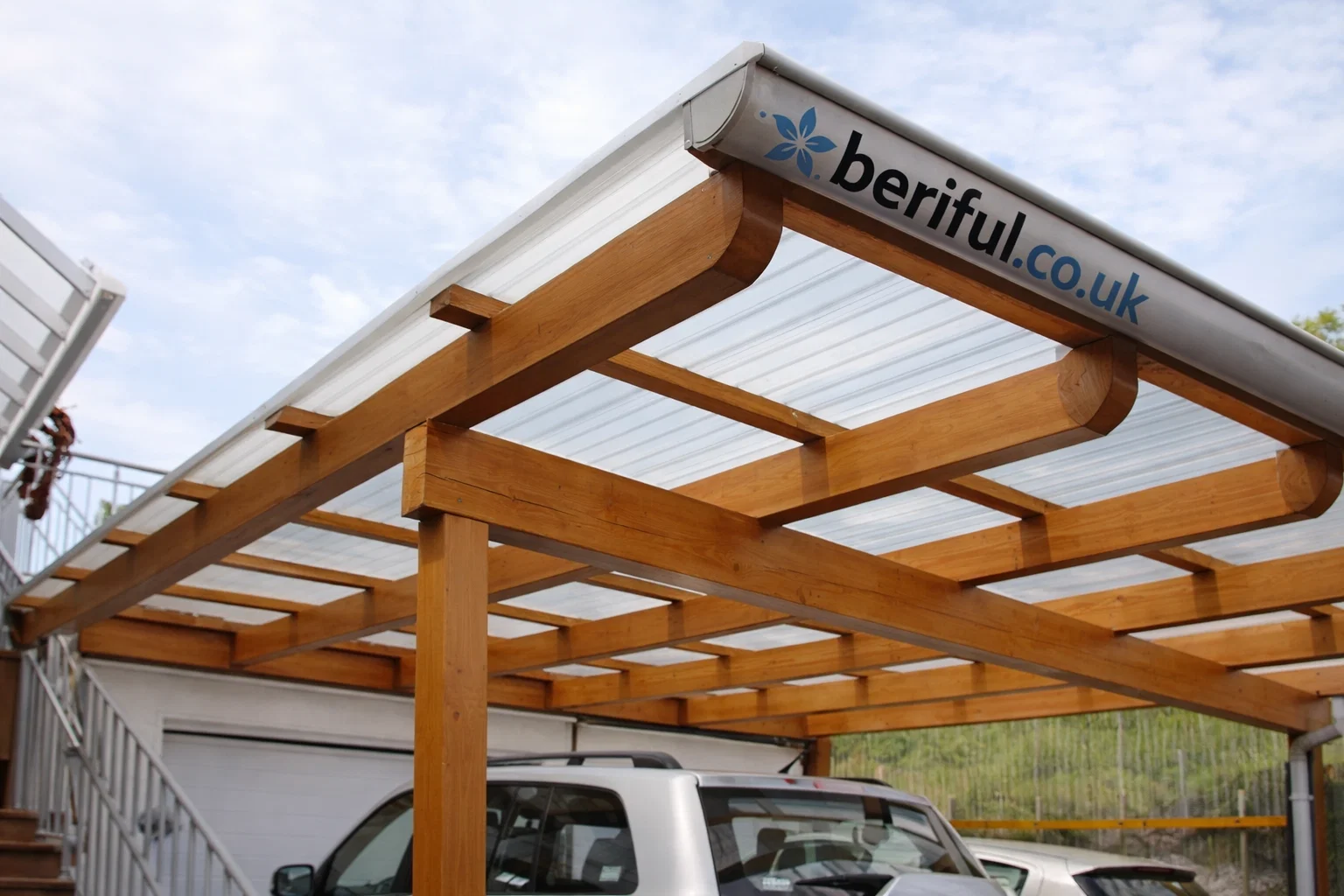
Introduction to Acryldach and Modern Roofing
Acryldach is changing how people think about roofing in modern construction. Traditional roofing materials often focus only on protection, but today’s buildings demand more. They need materials that combine durability, beauty, and efficiency. This is where acrylic roofing stands out. It offers a smart balance between strength and design while allowing natural light to enter indoor spaces. This feature alone makes it highly attractive for both residential and commercial use.
The shift toward advanced roofing technology has increased interest in transparent roofing and translucent roofing solutions. Builders now prefer materials that reduce energy use while improving comfort. Acryldach supports these goals by using high-quality construction materials that are both durable and lightweight. It fits perfectly into modern architectural trends that focus on sustainability and performance. As more people explore innovative building materials, acryldach continues to grow in popularity across different types of structures.
Quick bio table
| Attribute | Details |
|---|---|
| Topic Name | Acryldach |
| Definition | A modern roofing system made from acrylic materials |
| Material Type | PMMA (polymethyl methacrylate) thermoplastic |
| Common Names | Acrylic roofing, acrylic roof, acrylic glass |
| Roofing Type | Transparent and translucent roofing |
| Main Components | Acrylic sheets, acrylic roof panels, liquid-applied roofing |
| Sheet Types | Cast acrylic sheets, extruded acrylic sheets |
| Panel Types | Corrugated acrylic sheets, multiwall acrylic panels, twinwall panels |
| Key Features | Light transmission, UV resistance, weather resistance, impact resistance |
| Weight | Lightweight material |
| Performance | Thermal performance, insulation properties |
| Durability | Long lifespan (20–30 years) |
| Protection | Waterproof membrane, seamless coating |
| Safety | Shatter-resistant, corrosion resistance, rust-proof roofing |
| Design | Modern design roofing, high aesthetic appeal |
| Finishes | Matte, glossy, frosted surface finishes |
| Applications | Residential, commercial, industrial roofing |
| Common Uses | Patio, pergola, carport, skylight, canopy, greenhouse roofing |
| Installation | Easy installation, DIY roofing installation, professional installation |
| Maintenance | Low maintenance, easy cleaning, crack and leak repair |
| Efficiency | Energy-efficient roofing, energy savings |
| Sustainability | Eco-friendly roofing, recyclable material |
| Comparison | Better clarity than polycarbonate, lighter than glass |
| Cost Level | Medium to high depending on type |
| Value | Cost-effective roofing with long-term ROI |
| Special Traits | UV-stabilized acrylic, yellowing resistance, optical clarity |
| Usage Trend | Growing in sustainable construction trends |
What Is Acryldach?
Acryldach refers to a roofing system made using acrylic materials. It is primarily based on PMMA (polymethyl methacrylate), a strong thermoplastic known for its clarity and strength. This material is often called acrylic glass because it looks similar to traditional glass but performs much better in many situations. It is lighter, more impact-resistant, and easier to handle, which makes it suitable for modern construction needs.
Acrylic roofing systems are widely used in architectural roofing because they combine visual appeal with practical benefits. These systems allow light transmission while protecting interiors from harmful UV rays. Acryldach is also used in a wide range of applications, including residential roofing, commercial roofing, and industrial roofing. Its ability to function as both transparent construction materials and protective roofing makes it a versatile solution for modern buildings.
Types of Acrylic Roofing Systems
Acrylic roofing systems come in different forms, each designed for specific needs and environments. These options allow builders to choose the right solution based on structure type and design goals. From simple panels to advanced coatings, each type offers unique advantages that enhance performance and durability.
Acrylic Roof Panels and Sheets
Acrylic roof panels are among the most common forms used in construction. These include corrugated acrylic sheets, which are often used for outdoor roofing applications due to their strength and water resistance. Multiwall acrylic panels and twinwall panels provide better insulation properties and improved thermal performance. These panels are lightweight and easy to install, making them suitable for both small and large projects.
Acrylic sheets are available in two main types, including cast acrylic sheets and extruded acrylic sheets. Cast sheets offer better optical clarity and scratch resistance, while extruded sheets are more cost-effective and easier to produce. Both types are widely used in skylight roofing, canopy roofing, and other architectural designs that require transparency and durability.
Liquid Acrylic Roofing Systems
Liquid-applied roofing is another advanced form of acryldach. This method uses acrylic roof coatings to create a seamless coating across the roof surface. The result is a waterproof membrane that protects against leaks and environmental damage. This system is often used in commercial roofing and industrial roofing where large surface areas require continuous protection.
Liquid acrylic roofing systems also improve roofing durability by preventing cracks and water penetration. They adapt well to different surfaces and offer strong weather resistance. This makes them a reliable choice for buildings exposed to harsh environmental conditions.
Key Features of Acrylic Roofing
Acrylic roofing is known for several important features that make it suitable for modern construction. One of the most notable characteristics is its high light transmission. This allows natural daylight roofing solutions to reduce the need for artificial lighting, improving energy efficiency and indoor comfort.
Another key feature is UV resistance and UV protection. Acrylic materials are designed to block harmful ultraviolet rays while maintaining clarity and transparency. This helps protect interiors and reduces the risk of fading or damage. Weather resistance and impact resistance also play a major role in the performance of acrylic roofing systems. These properties ensure that the material can withstand rain, wind, and other environmental factors without losing its strength.
The lightweight material used in acrylic roofing supports structural load reduction. This makes installation easier and reduces stress on building frameworks. Additionally, its thermal performance and insulation properties help maintain indoor temperature, making it suitable for both hot and cold climates.
Benefits of Acryldach Roofing
The benefits of acryldach extend beyond basic functionality. It offers a complete roofing solution that improves both efficiency and design. One of the biggest advantages is energy efficiency. By allowing natural light to enter, it reduces the need for artificial lighting during the day. This leads to lower energy consumption and long-term savings.
Durability and longevity are also key benefits. Acrylic roofing has a long lifespan, often lasting between 20 to 30 years with proper maintenance. It resists weather damage, corrosion, and rust, making it a reliable choice for long-term use. The material is also known for its aesthetic appeal. Its clarity and transparency create a modern look that enhances architectural aesthetics.
Another important benefit is its cost-effective nature. Although the initial investment may be higher than some traditional roofing materials, the long-term value and return on investment make it a smart choice. Low maintenance requirements further add to its appeal, as it does not require frequent repairs or replacements.
Applications of Acrylic Roofing Systems
Acrylic roofing systems are used in a wide range of applications. Their versatility makes them suitable for different types of structures and environments. From homes to large industrial buildings, acryldach provides flexible solutions that meet various design and functional needs.
Residential Applications
In residential roofing, acrylic roof panels are commonly used for patio roofing, pergola roofing, and carport roofing. These applications benefit from natural daylight while maintaining protection from weather conditions. Homeowners often choose acrylic roofing for its modern design and ability to create bright and open spaces.
Commercial and Industrial Uses
In commercial roofing and industrial roofing, acrylic systems are used for skylight roofing, canopy roofing, and large warehouse structures. These applications focus on improving indoor lighting and reducing energy costs. Acrylic roofing panels help create comfortable working environments while maintaining durability and performance.
Specialized Uses
Acryldach is also widely used in greenhouse roofing. Its ability to provide consistent light transmission supports plant growth and improves productivity. It is also used in specialized architectural designs where transparency and aesthetics are important factors.
Acrylic Roofing vs Other Materials
Choosing the right roofing material requires understanding how acrylic compares with other options. Acrylic roofing offers unique advantages, but it is important to evaluate it alongside alternatives such as polycarbonate, glass, and fiberglass.
| Feature | Acrylic Roofing | Polycarbonate | Glass |
|---|---|---|---|
| Weight | Lightweight | Very strong | Heavy |
| Clarity | High optical clarity | Moderate | Very high |
| Safety | Shatter-resistant | Highly durable | Breakable |
| Cost | Moderate | Higher | Expensive |
The comparison with polycarbonate shows that acrylic provides better optical clarity, making it ideal for applications where transparency is important. Comparison with glass roofing highlights its lighter weight and improved safety, as it is less likely to shatter. The comparison with fiberglass roofing shows better durability and easier maintenance, making acrylic a more reliable choice for long-term use.
Installation Process of Acryldach
The installation process of acryldach is straightforward but requires careful planning. Proper roofing installation ensures that the system performs well and lasts for many years. The first step involves preparing the surface and taking accurate measurements. This helps ensure that the panels fit correctly and provide proper coverage.
Next, the selected acrylic sheets or roofing panels are placed and secured using appropriate fasteners. It is important to allow space for expansion and contraction, as acrylic materials can respond to temperature changes. Proper alignment and sealing are essential to prevent leaks and maintain structural integrity.
While DIY roofing installation is possible for small projects, professional installation is recommended for larger or more complex structures. Experts can ensure that the system meets building codes and standards, providing long-term reliability and safety.
Maintenance and Cleaning Tips
Maintaining acrylic roofing is simple and does not require extensive effort. Regular maintenance and cleaning help preserve its clarity and extend its lifespan. Cleaning should be done using mild soap and water to avoid damaging the surface. Harsh chemicals should be avoided, as they can reduce scratch resistance and affect optical clarity.
Routine inspections are important to identify any signs of damage. Small cracks or leaks should be repaired quickly to prevent further issues. Acrylic roofing systems are designed to resist yellowing, but proper care ensures that they maintain their appearance over time. Regular maintenance also helps protect the seamless coating used in liquid-applied roofing systems.
Advantages and Disadvantages
Acrylic roofing offers several advantages that make it a popular choice in modern construction. Its lightweight nature reduces structural load and simplifies installation. The material provides excellent UV-stabilized acrylic performance, ensuring long-term clarity and durability. Its resistance to corrosion and rust makes it suitable for various environments.
However, there are also some disadvantages to consider. Acrylic materials can be sensitive to scratches if not handled properly. They may also expand and contract with temperature changes, requiring proper installation techniques. The initial cost may be higher compared to basic roofing materials, but the long-term benefits often outweigh this factor.
Cost of Acrylic Roofing
The cost of acrylic roofing depends on several factors, including material type, thickness, and installation complexity. Acrylic sheets and panels are generally priced in the medium range, while advanced systems such as liquid-applied roofing may cost more due to their additional features.
| Type | Average Cost Range |
|---|---|
| Acrylic sheets | Medium |
| Multiwall panels | Medium to High |
| Liquid-applied roofing | High |
Despite the higher initial cost, acrylic roofing offers significant energy savings and long-term value. Its durability and low maintenance requirements reduce overall expenses, making it a cost-effective roofing solution over time.
Sustainability and Energy Efficiency
Sustainability is an important consideration in modern construction. Acrylic roofing supports eco-friendly roofing practices by reducing energy consumption and promoting natural daylight use. This improves energy efficiency and reduces reliance on artificial lighting.
The material is also recyclable, making it suitable for sustainable roofing projects. Its long lifespan reduces the need for frequent replacements, minimizing waste. Acryldach aligns with sustainable construction trends and helps create environmentally friendly buildings.
Choosing the Right Acrylic Roofing
Selecting the right acrylic roofing system involves considering several factors. The thickness and type of panels should match the specific needs of the project. UV-stabilized acrylic is important for long-term performance and protection against sunlight.
Climate conditions also play a role in choosing the right system. Areas with extreme weather require materials with strong weather resistance and impact resistance. Design preferences, including color and texture options, should also be considered to achieve the desired aesthetic outcome.
Design and Aesthetic Appeal
Acrylic roofing enhances the visual appeal of buildings. Its clarity and transparency create bright and open spaces that improve overall design. Different surface finishes such as matte, glossy, and frosted provide flexibility in design choices.
Prismatic panels can be used for light diffusion, creating soft and even lighting. Color and texture options allow customization to match architectural styles. These features make acrylic roofing an ideal choice for modern design roofing and innovative architectural projects.
Safety and Durability
Safety is a critical factor in roofing materials. Acrylic roofing is designed to be shatter-resistant, reducing the risk of injury in case of impact. Its strong structure provides reliable protection against weather conditions and environmental stress.
The material also meets various building codes and standards, ensuring compliance and safety. Its durability and longevity make it a dependable choice for both residential and commercial applications. Acrylic roofing systems are built to withstand daily wear and maintain performance over time.
Conclusion
Acryldach represents a modern approach to roofing that combines performance, efficiency, and design. It offers a versatile solution for different types of buildings, from homes to industrial structures. Its ability to provide natural light while maintaining protection makes it a valuable addition to modern construction.
With proper installation and maintenance, acrylic roofing can deliver long-lasting results. It supports energy savings, enhances aesthetic appeal, and meets the demands of sustainable building practices. As the construction industry continues to evolve, acryldach remains a reliable and forward-thinking roofing solution.
FAQs
1. How long does acrylic roofing last?
Acrylic roofing typically lasts between 20 to 30 years with proper care and maintenance.
2. Is acrylic roofing better than polycarbonate?
Acrylic offers better clarity, while polycarbonate provides higher impact strength. The choice depends on your needs.
3. Does acrylic roofing turn yellow over time?
High-quality materials with UV protection resist yellowing and maintain transparency for many years.
4. Can acrylic roofing handle extreme weather conditions?
Yes, it offers strong weather resistance and durability, making it suitable for different climates.
5. Is professional installation necessary for acryldach?
Professional installation is recommended for larger projects to ensure proper fitting and long-term performance.
