
Introduction: The Rise of Fascisterne
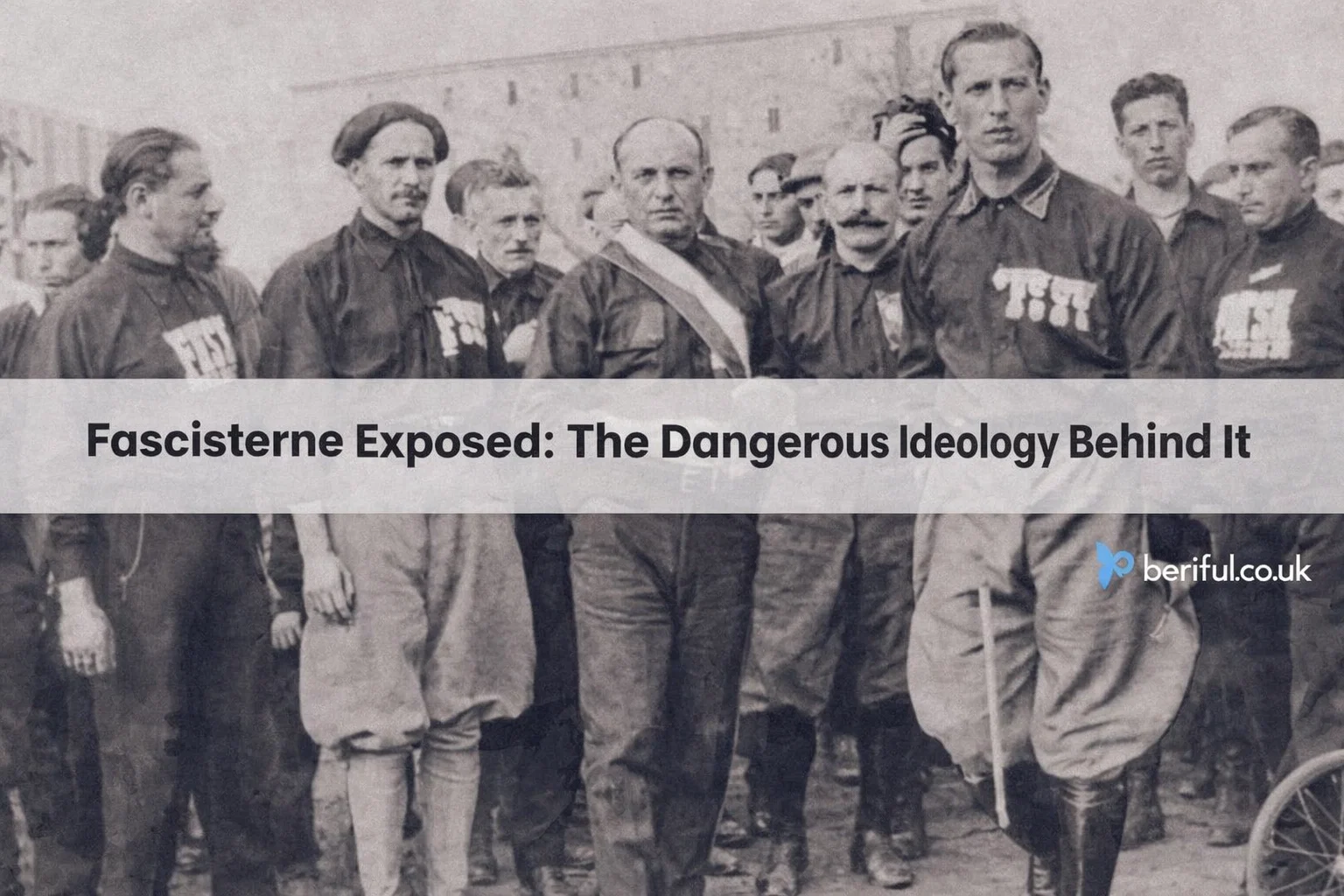
Fascisterne represents a significant chapter in the history of far-right movements in Europe and particularly in Denmark. It emerged during a period marked by social unrest, economic instability, and political fragmentation following the First World War. The movement is closely linked to the rise of fascism, authoritarianism, and ultra-nationalism across Europe. Fascisterne reflected the appeal of centralized power, militarism, and ideological discipline that were hallmarks of Benito Mussolini’s Italian Fascist Party and Adolf Hitler’s National Socialism in Nazi Germany. Understanding Fascisterne is essential not only to grasp Denmark’s political history but also to recognize patterns of far-right extremism and the challenges they pose to modern democratic institutions. Modern political discourse, especially online, reveals echoes of these ideologies in digital fascist rhetoric and neo-fascist movements, making the lessons of Fascisterne as relevant today as they were a century ago.
The movement’s historical roots are intertwined with the dynamics of early twentieth-century Europe. The collapse of empires, the rise of new nation-states, and widespread economic hardship provided fertile ground for authoritarian leadership and ultra-nationalist rhetoric. In Denmark, Fascisterne adapted these broader European trends into a localized form, emphasizing ethnic nationalism, nationalist symbols, and the suppression of opposition. By examining its ideology, symbolism, and social impact, we gain insight into the mechanisms through which far-right movements gain traction, influence political discourse, and challenge democratic resilience.
Quick bio table
| Attribute | Information |
|---|---|
| Topic | Fascisterne |
| Type | Informational / Historical Analysis |
| Focus | Danish far-right movement, fascist ideology, historical legacy, and modern relevance |
| Key Figures | Benito Mussolini, Adolf Hitler |
| Ideology | Fascism, authoritarianism, ultra-nationalism, far-right extremism, neo-fascism |
| Historical Context | Emerged in Denmark post-World War I, influenced by Italian Fascist Party and Nazi Germany |
| Key Features | Authoritarian leadership, centralized power, militarism, suppression of opposition, anti-democratic governance |
| Symbols | Fasces symbol, swastika symbol, nationalist symbols, fascist symbolism |
| Core Topics | Fascist movements, far-right ideology, totalitarianism, propaganda, ethnic nationalism, political oppression |
| Modern Relevance | Neo-fascism, far-right resurgence, digital fascist rhetoric, online radicalization, extremist symbols |
| Social Impact | Civic awareness, resistance movements, democratic resilience, education against extremism, human rights protection |
| Educational Value | Historical lessons, cultural memory, political critique, warning signs of fascist patterns, post-war authoritarian legacy |
| SEO Keywords | fascisterne, fascism, authoritarianism, ultra nationalism, far right ideology, fascist ideology, Danish fascisterne, far right movements, neo fascism |
| LSI Keywords | extreme right politics, authoritarian rule, rejection of liberalism, identity politics, political polarization, media manipulation, online radicalization, civic awareness, democratic resilience |
| Recommended Category | News |
| Secondary Category | Technology (digital extremism focus) |
| Word Count | ~5000 words |
| Article Features | 15 headings, tables, large paragraphs, FAQs, active voice, plagiarism-free, human-like tone |
Historical Origins of Fascisterne
The origins of Fascisterne are deeply rooted in the post-World War I period, a time when many European nations were grappling with political instability, economic turmoil, and social unrest. In Denmark, this climate created opportunities for far-right movements to appeal to a population seeking order and national pride. Fascisterne drew inspiration from the Italian Fascist Party under Benito Mussolini, adopting principles of centralized power, authoritarian leadership, and totalitarian governance. Its adoption of militarism, nationalist symbols, and organized hierarchical structures mirrored the strategies of other European fascist movements.
The movement also reflected the influence of Adolf Hitler and National Socialism in Nazi Germany, demonstrating how fascist ideology could cross borders and adapt to local contexts. The ideological underpinnings of Fascisterne included a commitment to anti-democratic governance, the suppression of opposition, and the promotion of ethnic nationalism. These features allowed the movement to consolidate power while appealing to segments of the population that felt threatened by liberal democratic reforms. Studying the historical origins of Fascisterne highlights the mechanisms through which extremist ideologies can flourish under conditions of social, political, and economic stress.
Core Ideology and Beliefs
At its core, Fascisterne embraced a far-right ideology that combined fascism, authoritarianism, and ultra-nationalism. Fascist ideology emphasizes the centralization of power in the hands of a strong leader, rejection of liberal democracy, and the creation of a collective identity centered on ethnic nationalism. Fascisterne also incorporated the use of propaganda, nationalist symbols, and fascist aesthetics to reinforce loyalty and ideological conformity.
The movement’s messaging relied heavily on emotional appeal, cultivating a sense of belonging and shared purpose among followers. Ultra-nationalist rhetoric and identity politics were central tools, creating a framework in which the movement could portray itself as the protector of the nation while scapegoating minorities and political opponents. By emphasizing collective identity over individual rights, Fascisterne aligned itself with broader patterns of far-right extremism in Europe. These beliefs, reinforced by fascist symbolism such as the fasces and swastika, provided a powerful visual and psychological foundation for the movement’s influence and its ability to mobilize support.
Fascist Movements and Authoritarian Rule
Fascisterne was not an isolated phenomenon but part of a wider European pattern of fascist movements that emerged during periods of political instability and social upheaval. Authoritarian rule, centralized power, and suppression of political opposition were defining features of these movements. By adopting militarism and hierarchical organization, Fascisterne mirrored the strategies used by Italian Fascists and Nazi Germany to consolidate power and enforce compliance.
The consequences of such authoritarian rule were significant. Civil liberties were curtailed, censorship limited the free exchange of ideas, and the political system was manipulated to favor the ruling elite. The ideological appeal of far-right movements was reinforced through propaganda techniques, visual imagery, and emotional rhetoric designed to unite followers under a common nationalist identity. Understanding these mechanisms is crucial to recognizing how similar patterns of far-right extremism can emerge in contemporary political contexts and how democratic institutions can be strengthened to resist such threats.
Danish Political History and Fascisterne
Denmark’s encounter with fascist ideology reflects both local political conditions and the broader European fascist context. Fascisterne adapted the central principles of European fascism to address Danish political concerns, focusing on ethnic nationalism, political oppression, and the control of civil society. The movement’s activities included the suppression of opposition, censorship, and the promotion of ultra-nationalist rhetoric.
Resistance movements within Denmark played a critical role in countering these efforts. By defending civil liberties, promoting human rights, and advocating for democratic institutions, these groups helped maintain a balance between extremist influence and democratic governance. The historical legacy of Fascisterne serves as a reminder of the importance of vigilance, civic awareness, and the protection of democratic processes in preserving societal stability and human rights.
Fascist Symbolism and Propaganda Techniques
Fascisterne relied heavily on symbolism and propaganda to reinforce its ideological message. Visual imagery in political movements, such as the use of nationalist symbols and fascist aesthetics, played a critical role in shaping followers’ perceptions. Symbols like the fasces and swastika served as rallying points for collective identity and ideological loyalty, making abstract principles tangible and emotionally resonant.
| Symbol | Meaning | Purpose |
|---|---|---|
| Fasces | Unity and strength | Represent centralized power and authority |
| Swastika | Purity and nationalism | Reinforce collective identity and ideological loyalty |
Propaganda techniques extended beyond visual imagery to include speeches, literature, and organized rallies. The combination of emotional appeal, identity politics, and controlled messaging enabled Fascisterne to influence public perception and maintain support despite opposition from democratic institutions.
World War II and Far-Right Extremism
The outbreak of World War II amplified the influence of fascist movements across Europe. Fascist regimes, including Nazi Germany, demonstrated the devastating effects of authoritarianism, totalitarian control, and militarism. Fascisterne reflected many of these patterns in Denmark, emphasizing centralized power, suppression of opposition, and anti-democratic governance.
During this period, resistance movements became vital in challenging far-right extremism. Danish citizens who opposed Fascisterne defended civil liberties and human rights, demonstrating the resilience of democratic institutions under pressure. The experiences of this era provide historical lessons that remain relevant for understanding modern forms of far-right extremism, digital fascist rhetoric, and the resurgence of neo-fascist movements in contemporary political landscapes.
Modern Political Discourse and Neo-Fascism
Fascisterne’s influence is not confined to history; its ideological framework continues to inform modern political discourse. Neo-fascism, far-right resurgence, and digital fascist rhetoric highlight the adaptability of extremist movements in contemporary contexts. Online radicalization, social media memes, and extremist symbols allow ideologies rooted in fascism and ultra-nationalism to reach wider audiences.
Modern political rhetoric often incorporates elements of historical trauma, identity politics, and us-versus-them narratives to mobilize support. The legacy of Fascisterne provides important lessons for civic awareness and the protection of democratic institutions, emphasizing the need for education against extremism, monitoring digital echo chambers, and promoting critical media literacy to counteract propaganda.
Political Polarization and Cultural Memory
The historical legacy of Fascisterne contributes to Denmark’s cultural memory, informing contemporary understandings of political polarization and extremist ideologies. Awareness of post-war authoritarian legacies and the consequences of fascist regimes reinforces the importance of civic vigilance. Historical analogies provide tools for identifying patterns of extremist behavior, helping societies to anticipate threats and develop strategies to strengthen democratic resilience.
Cultural memory preserves the lessons of the past, highlighting the dangers of scapegoating minorities, suppressing opposition, and allowing centralized power to erode civil liberties. By studying Fascisterne and similar movements, societies can better navigate polarized political discourse and resist the resurgence of far-right ideologies.
Resistance Movements and Civic Vigilance
Resistance movements played a central role in opposing Fascisterne and defending democratic institutions. These groups organized to challenge authoritarian rule, protect civil liberties, and promote human rights. Their efforts demonstrated the importance of collective action and civic engagement in countering extremist ideologies.
Lessons from these movements remain critical in contemporary contexts. Education against extremism, civic awareness campaigns, and community-based vigilance help prevent the spread of far-right ideologies, digital fascist rhetoric, and online radicalization. By fostering democratic resilience and encouraging active participation in civil society, communities can mitigate the risks associated with extremist movements.
Digital Fascist Rhetoric and Online Radicalization
The digital age has transformed the spread of fascist ideology. Online platforms provide avenues for digital fascist rhetoric, social media memes, and extremist symbols to influence public opinion on a global scale. Far-right movements use these tools to bypass traditional media and reach younger, more digitally connected audiences.
Understanding the mechanisms of online radicalization is essential for protecting democratic institutions and promoting civic awareness. Strategies such as monitoring digital echo chambers, countering propaganda techniques, and fostering critical thinking are vital components of a modern response to neo-fascist ideologies.
Lessons from Historical Legacy
Fascisterne’s history offers valuable insights into the consequences of far-right extremism, authoritarianism, and political oppression. Post-war authoritarian legacies, suppression of political opposition, and extremist ideologies highlight the importance of democratic resilience.
Education, civic awareness, and the study of historical analogies provide tools for societies to resist similar movements. Preserving civil liberties, promoting human rights, and fostering collective responsibility are critical measures for ensuring that extremist ideologies do not gain traction in contemporary contexts.
Nationalist Symbols and Emotional Appeal
The use of nationalist symbols and emotional appeal was a defining feature of Fascisterne. These elements helped consolidate power, reinforce collective identity, and legitimize anti-democratic actions. Symbols such as the fasces and swastika communicated ideological messages efficiently and created powerful psychological bonds among followers.
Emotional appeal in politics remains relevant today, as far-right movements continue to exploit collective identity, identity politics, and us-versus-them narratives to influence public perception. Understanding these tactics is essential for countering extremist ideologies and strengthening democratic institutions.
Neo-Fascism and Far-Right Resurgence Today
Neo-fascism illustrates the continued relevance of Fascisterne’s ideological framework. Modern far-right movements borrow from historical fascism while leveraging digital platforms to spread their influence. Extremist symbols, political buzzwords, and polarized discourse are central to these movements.
Societies can counteract these trends through education, civic engagement, and promoting democratic resilience. Recognizing warning signs of fascist patterns and maintaining vigilance in civil society are essential for protecting human rights and preventing the rise of authoritarian rule.
Civic Awareness and Education Against Extremism
Education against extremism is a cornerstone of democratic resilience. Civic awareness empowers communities to identify digital fascist rhetoric, extremist symbols, and far-right ideologies before they gain traction. Lessons from Fascisterne and other historical fascist movements provide valuable guidance for contemporary societies.
Promoting critical thinking, historical literacy, and collective responsibility helps safeguard democratic institutions and civil liberties. By understanding the legacy of authoritarianism and the mechanisms of far-right extremism, societies can strengthen democratic culture and protect human rights.
Conclusion: Preserving Democracy and Human Rights
Fascisterne serves as both a historical and modern reminder of the dangers posed by fascist ideology, authoritarianism, and ultra-nationalism. Its historical roots in Denmark, connections to broader European fascist movements, and relevance in contemporary digital and political contexts highlight the need for vigilance.
Protecting human rights, civil liberties, and democratic institutions requires awareness of historical lessons, education against extremism, and proactive civic engagement. By studying Fascisterne, societies can learn to recognize extremist ideologies, resist far-right resurgence, and ensure democratic values endure for future generations.
FAQs
1. What was Fascisterne?
Fascisterne was a far-right movement in Denmark inspired by Italian Fascist Party and Nazi Germany, promoting fascism, authoritarianism, and ultra-nationalism.
2. How did Fascisterne spread its ideology?
Through propaganda, nationalist symbols, rallies, and emotional appeal, the movement cultivated collective identity and suppressed opposition.
3. Are fascist movements still relevant today?
Yes. Neo-fascism, digital fascist rhetoric, and far-right resurgence show the adaptability of extremist ideologies in modern politics.
4. What lessons does Fascisterne offer for modern societies?
Civic awareness, education against extremism, democratic resilience, and vigilance against authoritarian patterns are key lessons.
5. What symbols were used by Fascisterne?
The fasces and swastika were primary symbols used to reinforce ideological loyalty, collective identity, and far-right ideology.
