
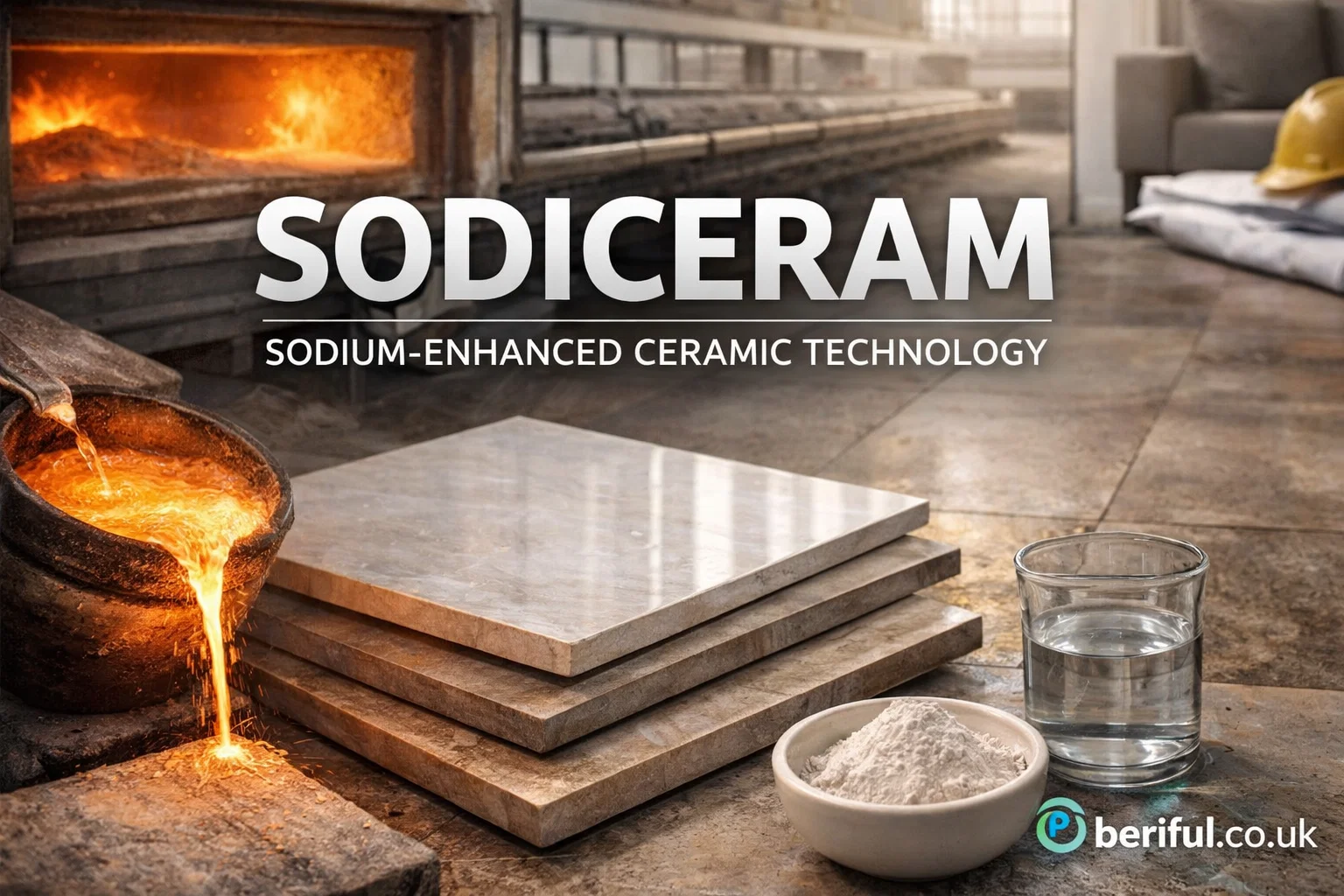
Introduction to Sodiceram and Its Rise in Construction
Sodiceram is one of the most innovative developments in the world of ceramics, offering a perfect combination of strength, durability, and aesthetic appeal. Over the past decade, this material has gained recognition among builders, architects, and designers for its unique properties that surpass traditional ceramics. Its formulation as a sodium-infused ceramic allows it to withstand extreme environmental conditions while maintaining a visually attractive finish. The inclusion of sodium compounds and flux agents during the manufacturing process ensures a controlled vitrification process, resulting in superior mechanical strength, thermal shock resistance, and low porosity. These characteristics allow Sodiceram to excel in applications ranging from residential interiors to industrial environments. Unlike traditional porcelain or vitrified tiles, Sodiceram provides designers with the freedom to create functional surfaces without compromising on aesthetics or performance. With its wide range of applications and sustainable production methods, Sodiceram has become an essential material in modern construction and architectural projects.
Quick bio table for Sodiceram
| Attribute | Details |
|---|---|
| Product Name | Sodiceram |
| Type | Sodium-infused ceramic material, advanced ceramics |
| Composition | Sodium compounds, silica, alumina, flux agent |
| Manufacturing Process | Low-energy firing, vitrification process, digital printing techniques, eco-friendly production |
| Material Properties | Mechanical strength, thermal shock resistance, chemical resistance, heat resistance, low porosity, surface finish options, thermal stability, chemical stability, abrasion resistance |
| Applications | Flooring tiles, wall cladding, industrial cladding, residential countertops, architectural surfaces, commercial flooring solutions, interior design, high-traffic environments |
| Advantages | Durability, design flexibility, aesthetic appeal, seamless installation, sustainability benefits, performance metrics, minimal maintenance, long lifespan, environmental impact reduction |
| Compatibility | Porcelain, vitrified tiles, sintered stone, traditional ceramics, engineered ceramic solutions |
| Design Features | Matte/gloss finishes, patterned ceramic tiles, digital surface finishing, design customization |
| Market & Industry | Global distribution networks, construction industry, architectural and industrial markets, builders and architects, commercial applications |
| Sustainability | Eco-friendly production, recycled ceramic materials, low energy firing, LEED and BREEAM points, sustainable building materials |
| Innovation & Technology | Ceramic technology, modern manufacturing techniques, microstructure of ceramics, material innovation, engineered ceramic solutions |
| Performance Metrics | Low-porosity surface, heat and chemical stress resistance, moisture rejection, product longevity, maintenance and upkeep |
| Target Users | Architects, designers, builders, industrial developers, commercial project managers, residential homeowners |
| Industry Recognition | Sustainability certifications, adoption in global markets, influence on modern home interiors and industrial applications |
What Makes Sodiceram Unique Among Ceramic Materials
The uniqueness of Sodiceram lies in its advanced material composition and manufacturing process. Sodium compounds act as natural flux agents, which reduce the melting point of the mixture during firing and enhance glass-phase development within the ceramic microstructure. This combination produces a low-porosity surface that resists moisture penetration and chemical damage. In addition to its durability, Sodiceram offers high abrasion resistance, making it suitable for high-traffic areas and industrial cladding. Its versatility extends to various finishes, including matte, gloss, and digital printing designs, which enhance the aesthetic appeal of walls, floors, and countertops. By integrating traditional ceramic principles with modern engineering ceramics techniques, Sodiceram achieves an ideal balance of strength, design flexibility, and sustainability. Builders and architects benefit from this balance, as the material can be adapted for multiple applications without compromising structural integrity or visual impact. The growing global adoption of Sodiceram demonstrates its relevance across markets and its potential to transform architectural and industrial design.
Manufacturing Process: How Sodiceram Is Created
Sodiceram’s manufacturing process is a carefully controlled series of steps designed to optimize the material’s performance. Initially, raw materials such as silica, alumina, and sodium compounds are sourced and measured with precision. These materials are then ground and blended to ensure uniformity, which is critical for achieving a low-porosity surface and strong mechanical properties. During low-energy firing, the mixture undergoes a vitrification process that solidifies its microstructure and creates a robust, heat-resistant ceramic. The flux agents in Sodiceram promote the development of a glassy phase that enhances chemical resistance and thermal stability. After firing, surfaces can be treated with digital printing techniques to achieve intricate patterns or specific finishes without compromising durability. Eco-friendly production practices reduce energy consumption and environmental impact while ensuring that the final material maintains its high performance. This combination of precise raw material selection, controlled firing, and digital finishing techniques allows Sodiceram to meet the rigorous demands of modern architecture, interior design, and industrial applications.
Key Properties of Sodiceram That Elevate Its Market Value
Sodiceram exhibits an array of properties that make it highly valuable in construction and design. Its low porosity prevents moisture absorption, ensuring long-term durability in humid or high-stress environments. The mechanical strength of the material allows it to endure significant loads, making it ideal for flooring tiles and wall cladding in commercial and industrial settings. Thermal shock resistance enables Sodiceram to withstand sudden changes in temperature without cracking, while its chemical resistance protects it from damage caused by household or industrial chemicals. Additionally, the material’s surface can be customized with various finishes and digital printing techniques, providing design flexibility for aesthetic applications. These properties collectively contribute to the longevity, sustainability, and versatility of Sodiceram. Builders, architects, and interior designers increasingly prefer this material for projects that require a combination of high performance and refined visual appeal, as it meets both functional and design requirements simultaneously.
Architectural and Design Advantages of Sodiceram
Architectural projects demand materials that combine strength with visual appeal, and Sodiceram fulfills this need with precision. Its adaptability allows it to be used for wall cladding, patterned ceramic tiles, residential countertops, and commercial flooring solutions, enabling designers to execute creative visions without compromising on durability. The material’s low-porosity surface ensures resistance to moisture, making it ideal for areas exposed to water or high humidity. Sodiceram’s compatibility with modern home interiors allows for seamless integration with existing design elements, while its ability to support matte and gloss finishes expands its aesthetic versatility. Architects value the eco-friendly production methods of Sodiceram, as they contribute to sustainability certifications such as LEED and BREEAM. This combination of durability, flexibility, and environmental responsibility ensures that Sodiceram remains a preferred choice for projects seeking both practical and visual excellence.
Commercial Applications: Where Sodiceram Shines
Sodiceram is particularly well-suited for commercial applications, where performance and longevity are critical. High-traffic areas, including shopping centers, office lobbies, and hospitality venues, demand materials that resist wear and maintain their appearance over time. The material’s high abrasion resistance, thermal stability, and chemical resistance make it ideal for these environments. In addition to durability, Sodiceram offers design customization, enabling brands and developers to incorporate distinctive patterns and finishes that align with their aesthetic identity. Industrial cladding, commercial flooring, and architectural façades all benefit from the material’s combination of functional performance and visual appeal. By providing a reliable, sustainable, and aesthetically pleasing solution, Sodiceram allows commercial projects to achieve long-term value while meeting demanding operational requirements.
Residential Use: Creating Timeless Interiors
Sodiceram has become a favored material for residential interiors due to its combination of resilience and design flexibility. Its low-porosity surface protects against moisture and stains, making it suitable for kitchens, bathrooms, and living areas. Homeowners benefit from the material’s ease of maintenance and long-term durability, as it retains its aesthetic appeal over many years. Interior designers appreciate Sodiceram for its compatibility with modern home trends, including patterned tiles, matte and gloss finishes, and digital surface printing. The material allows for creative expression without sacrificing performance, enabling homeowners to achieve visually engaging and functional spaces. Sustainability is another important factor, as eco-conscious consumers increasingly seek materials that reduce environmental impact. Sodiceram meets these expectations, offering both practical and aesthetic advantages that enhance the value and longevity of residential interiors.
Industrial Applications: Rugged Performance in Tough Conditions
Industrial environments often challenge materials with high heat, chemical exposure, and physical wear. Sodiceram meets these demands with chemical stability, thermal shock resistance, and abrasion-resistant properties. Industrial floors, wall panels, and protective surfaces benefit from the material’s ability to maintain integrity under extreme conditions. Its durability reduces the need for frequent maintenance or replacement, resulting in cost savings for industrial facilities. Additionally, Sodiceram can withstand heat and chemical stress, making it ideal for laboratories, factories, and other high-demand settings. The material’s longevity and robust performance contribute to operational efficiency and safety, demonstrating its value in industrial applications that require high-performing, sustainable surfaces.
Sustainability and Environmental Impact
Sodiceram’s production methods emphasize environmental responsibility through low-energy firing and the incorporation of recycled materials. These practices reduce the carbon footprint associated with manufacturing while maintaining high-quality performance. In construction, the material supports green building initiatives and contributes to sustainability certifications such as LEED and BREEAM, promoting eco-friendly design and resource efficiency. The durability and long lifespan of Sodiceram also minimize waste and reduce the need for frequent replacement, further decreasing environmental impact. As sustainable building materials gain importance in the construction industry, Sodiceram provides a practical, high-performance option that aligns with modern ecological and regulatory standards, making it a preferred choice for both architects and developers.
Comparison with Traditional Ceramics and Alternative Materials
When compared to traditional ceramics, Sodiceram offers superior mechanical strength, thermal shock resistance, and chemical stability. Unlike conventional porcelain or sintered stone, it achieves a low-porosity surface that resists moisture and staining. The material’s design flexibility allows for a variety of finishes and custom patterns, which enhances its application across different settings. In commercial and residential projects, Sodiceram outperforms many conventional alternatives by combining functional performance with aesthetic versatility. Its balanced properties make it suitable for architectural surfaces, industrial environments, and modern home interiors. Builders and designers increasingly choose Sodiceram for projects that require durability, sustainability, and visual appeal, positioning it as a leading option in advanced ceramics and construction materials.
Global Markets and Industry Adoption
Sodiceram has experienced growing adoption across global markets due to its performance, versatility, and sustainability benefits. Countries with diverse climatic conditions value the material’s heat resistance, chemical stability, and low-porosity surfaces. International distribution networks have enabled architects, builders, and industrial designers to access Sodiceram for a wide range of projects. The material’s compatibility with modern construction trends, eco-friendly production, and innovative design applications has further increased its popularity. As global awareness of sustainable building practices and advanced material technologies continues to rise, Sodiceram is becoming a recognized standard in both commercial and residential construction. Its wide acceptance reflects confidence in the material’s performance and long-term reliability.
Trends in Ceramic Technology and Future Potential
The field of ceramic engineering continues to evolve, with ongoing research in material innovation, performance optimization, and design applications. Sodiceram represents the forefront of these advancements, combining traditional ceramic knowledge with modern techniques such as digital printing, low-energy firing, and eco-friendly production. Future trends suggest a growing demand for high-performance, sustainable materials in both residential and commercial construction. Sodiceram’s ability to meet these requirements positions it as a key material for the next generation of architectural design, industrial applications, and interior solutions. Its durability, aesthetic appeal, and sustainability benefits ensure continued relevance and influence in the evolving ceramic industry, making it a material that shapes future building practices.
Maintenance, Longevity, and Practical Considerations
Sodiceram requires minimal maintenance compared to many traditional materials, which enhances its appeal for long-term applications. Its chemical and thermal stability allows it to maintain structural integrity and surface quality over extended periods. Regular cleaning is sufficient to preserve the material’s appearance, reducing operational and maintenance costs for both residential and commercial projects. The material’s performance metrics, including mechanical strength and low-porosity surface, contribute to longevity and consistent aesthetics. Homeowners, designers, and builders value these characteristics, as they provide reliable, long-lasting results without frequent intervention. Practical considerations such as ease of installation, seamless integration with other surfaces, and adaptability to various design requirements further reinforce Sodiceram’s suitability for diverse applications.
Economic Value and Cost Considerations
Although Sodiceram may have higher upfront costs compared to conventional ceramics, its long-term benefits outweigh initial investments. Durability, minimal maintenance, and sustainability advantages contribute to cost savings over the material’s lifespan. Industrial, commercial, and residential projects benefit from reduced replacement frequency and enhanced performance in demanding environments. Architects and project managers recognize the value of Sodiceram as a material that provides both aesthetic appeal and practical reliability. By offering superior mechanical properties, chemical stability, and design flexibility, Sodiceram ensures a strong return on investment. Its economic advantages, coupled with sustainability certifications and environmental benefits, make it a compelling choice for modern construction and design projects.
Conclusion: Sodiceram’s Role in Modern Construction and Design
Sodiceram represents a significant advancement in ceramic technology, bridging the gap between performance and design. Its combination of mechanical strength, thermal stability, chemical resistance, and aesthetic versatility makes it suitable for a wide range of applications, from architectural surfaces to industrial environments. With eco-friendly production practices, sustainability benefits, and design customization options, Sodiceram provides builders, architects, and designers with a comprehensive material solution that meets modern demands. As construction trends continue to prioritize durability, sustainability, and visual appeal, Sodiceram is poised to become a standard in advanced ceramics, influencing both industrial and residential design for years to come. Its long-term performance, minimal maintenance, and environmental advantages further cement its role as a leading choice in the global construction and design marketplace.
Frequently Asked Questions (FAQs)
What makes Sodiceram different from traditional ceramic tiles?
Sodiceram uses sodium compounds and a specialized vitrification process to create a low-porosity surface with higher strength and durability than many traditional ceramics.
Is Sodiceram suitable for outdoor applications?
Yes, its thermal shock resistance and heat resistance make it ideal for outdoor façades and environments with fluctuating temperatures.
Can Sodiceram contribute to green building certifications?
Absolutely. With eco-friendly production and sustainability benefits, it helps projects earn LEED and BREEAM points.
How does Sodiceram perform in high-traffic commercial areas?
Thanks to its excellent abrasion resistance and robust material properties, Sodiceram performs well in high-traffic commercial flooring and industrial cladding.
Is Sodiceram easy to maintain?
Yes. Its low maintenance needs and strong chemical resistance make it easy to clean and keep looking new over time.
