
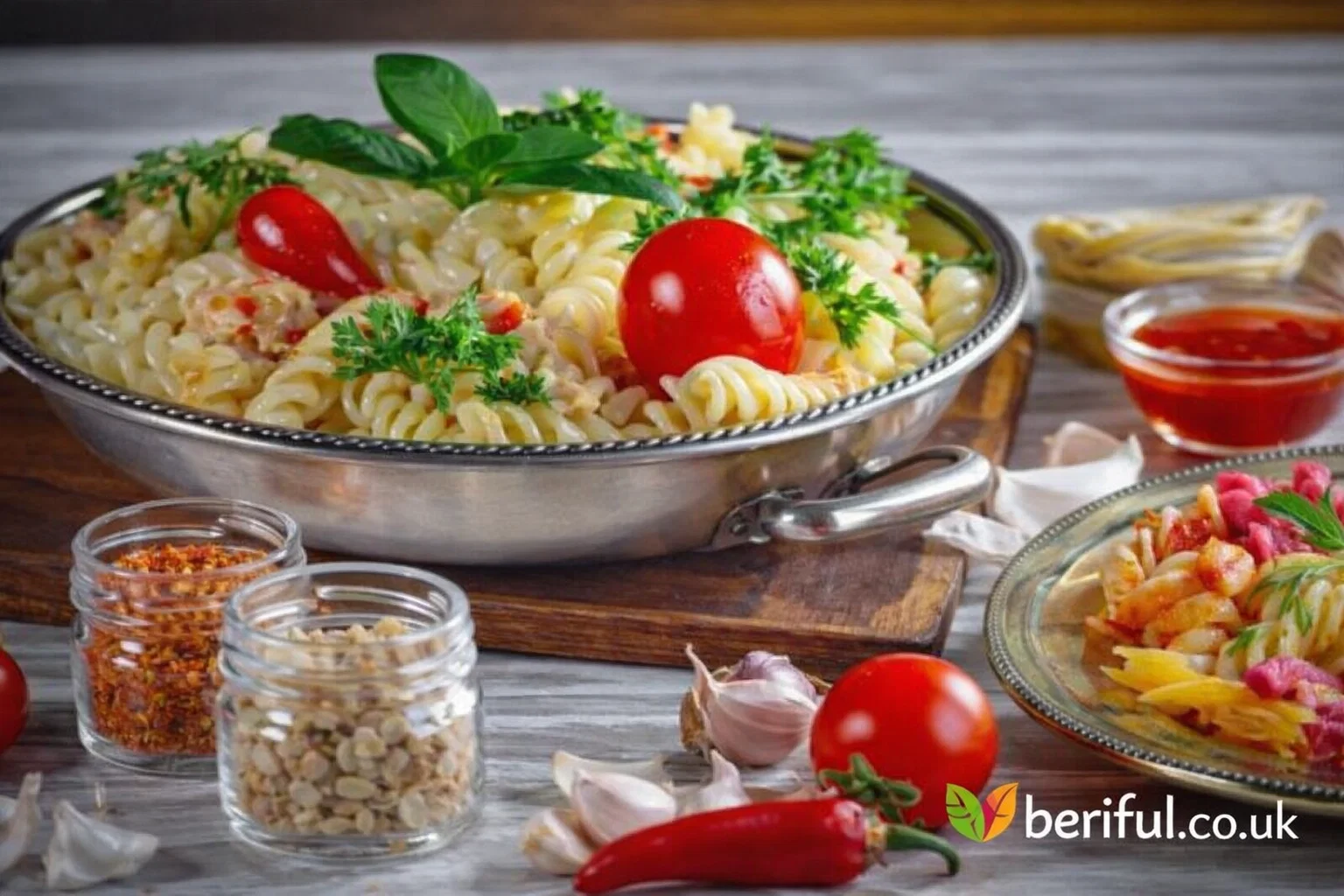
Introduction to Soutaipasu
Soutaipasu is a culinary experience that merges history, culture, and flavor in a single dish. Understanding Soutaipasu meaning requires exploring its intricate layers of taste and the cultural philosophy behind its preparation. This dish has been passed down through generations, celebrated in communal meals and traditional festivals. It represents not just a method of cooking but a reflection of culinary storytelling, where every ingredient contributes to the balance and harmony concept central to its identity. Over time, Soutaipasu has evolved from a traditional regional specialty to a dish appreciated in chef-driven restaurants and fusion cuisine around the world. Its role in modern dining trends reflects the blend of heritage and gastronomic innovation that continues to attract chefs and food enthusiasts alike. The dish’s aroma, texture, and taste are carefully crafted to provide an immersive experience that highlights Southeast Asian-inspired flavors and culinary philosophy. The preparation of Soutaipasu is as much a ritual as it is a culinary task, embodying cultural heritage and food traditions that are revered in many communities.
Quick bio table for Soutaipasu
| Attribute | Details |
|---|---|
| Name | Soutaipasu |
| Meaning / Definition | A traditional dish representing balance, harmony, and cultural storytelling through food. |
| Origins | Southeast Asia; rooted in regional traditions and festivals. |
| History | Dates back centuries; originally a festival and family dish prepared with local produce and seasonal ingredients. |
| Cultural Significance | Central to communal meals, celebrations, and festivals; symbolizes heritage, tradition, and culinary philosophy. |
| Culinary Concept | Emphasizes balance of flavors and textures; combines sweet, sour, salty, spicy, and umami elements with aromatic herbs and spices. |
| Cuisine Type | Southeast Asian-inspired, traditional and modern fusion interpretations. |
| Flavor Profile / Taste | Balanced flavor with citrus and herbal notes, tender-chewy textures, slightly crunchy garnishes, and creamy or silky sauces. |
| Key Ingredients | Fresh herbs (lemongrass, kaffir lime, basil), lean proteins, fermented pastes, coconut milk, rice or rice noodles, seasonal vegetables, palm sugar, tamarind, toasted nuts. |
| Preparation Techniques | Slow cooking, fermentation, careful seasoning, layering of textures, and attention to presentation. |
| Texture | Tender-chewy proteins, slightly crunchy garnishes, creamy or silky sauces. |
| Symbolism | Represents balance, harmony, heritage, and culinary storytelling. |
| Health Benefits | Balanced nutrition, digestive support, antioxidants, lean proteins, and nutrient-rich herbs and vegetables. |
| Modern Interpretations | Chef-driven restaurants, gourmet plating, fusion cuisine, social media food trends, global culinary influence. |
| Regional Variations | Adapted to local ingredients and taste preferences; preserves essence of traditional preparation. |
| Street Food Versions | Quick, flavorful, and accessible while maintaining traditional flavors and balance. |
| Global Influence | Inspires fusion cuisine worldwide; blends tradition with modern culinary innovation. |
| Culinary Philosophy | Emphasizes harmony, balance, freshness, and the storytelling aspect of food. |
| Trend in Modern Dining | Appears in gourmet restaurants, social media trends, and fusion gastronomy. |
| Key Concept Words | Balance and harmony, cultural heritage and food, Southeast Asian-inspired flavors, gastronomic innovation, culinary identity, culinary trend packaging. |
What is Soutaipasu
To understand what is Soutaipasu, one must look at both its definition and the broader culinary concept it represents. Soutaipasu definition encompasses not only the ingredients used but also the preparation techniques and cultural symbolism embedded in the dish. It is renowned for its balance of flavors, including sweet, sour, salty, and spicy elements, enhanced by umami richness from seafood or fermented pastes. The dish combines tender-chewy textures with slightly crunchy garnishes and creamy sauces that harmonize to create a multi-sensory experience. Its flavor profile is a testament to the careful selection of seasonal ingredients and local produce. The balance of taste is complemented by fresh herbs like lemongrass, kaffir lime, and basil, which enhance both aroma and freshness. Soutaipasu culinary concept emphasizes harmony in every aspect, from flavor and texture to presentation and cultural significance. The dish is not just food but a medium of culinary storytelling, reflecting both the regional roots of its origins and the innovative approaches of contemporary chefs.
Historical Origins of Soutaipasu
Soutaipasu origins date back centuries, emerging from communities that valued food as a cornerstone of cultural identity. Soutaipasu history reveals its connection to regional traditions and festivals, where it was prepared with ingredients available locally and in season. Early versions of the dish focused on balance and nutrition, using techniques such as slow cooking and fermentation for flavor development. Regional variations of Soutaipasu demonstrate the diversity within its preparation, with each area adapting the recipe according to local produce and taste preferences. These variations are not merely culinary differences but reflections of cultural heritage and the symbolism behind the dish. The use of herbs, aromatic spices, and fresh ingredients has remained consistent through time, preserving the essence of traditional Soutaipasu. Over generations, the dish has maintained its identity while embracing changes that align with evolving culinary practices. This historical journey underscores the deep cultural significance of Soutaipasu and its enduring appeal in both local and international dining contexts.
Cultural Significance of Soutaipasu
The cultural significance of Soutaipasu extends beyond its role as a food item. In many communities, it is integral to family gatherings, communal meals, and festive celebrations. Traditional Soutaipasu embodies heritage and tradition, serving as a culinary representation of shared experiences and cultural values. The preparation of the dish is often a communal effort, with family members contributing to different stages of cooking. This collective involvement reinforces social bonds and conveys the importance of culinary rituals in preserving cultural identity. Soutaipasu symbolism is evident in the balance of ingredients and the harmony of flavors, reflecting broader philosophical concepts of balance and unity in life. Culinary philosophy embedded in the dish emphasizes respect for natural ingredients, seasonal cycles, and the artistry of flavor combination. Its presence in festivals and ceremonial occasions highlights the dish’s role in storytelling, connecting generations through a shared gastronomic legacy. As communities embrace modern dining trends, the cultural value of Soutaipasu remains a constant, bridging tradition and innovation in a meaningful way.
Soutaipasu Culinary Concept
The Soutaipasu culinary concept is defined by its meticulous approach to flavor, texture, and presentation. Chefs adapting Soutaipasu pay close attention to the interplay of ingredients, ensuring that each element contributes to the overall balance of the dish. Ingredients used in Soutaipasu are chosen for freshness, flavor, and nutritional value, with herbs, spices, and proteins carefully selected to complement one another. The dish is versatile, accommodating variations that range from traditional recipes to contemporary interpretations in fusion cuisine. Southeast Asian-inspired flavors, such as lemongrass, kaffir lime, and tamarind, are often combined with modern culinary techniques to create new dining experiences. Gastronomic innovation in Soutaipasu involves experimenting with textures, sauces, and plating, while maintaining respect for the dish’s cultural heritage. The preparation process embodies a culinary philosophy that values balance, storytelling, and sensory engagement, ensuring that the essence of Soutaipasu is preserved in every iteration.
Taste and Flavor Profile
The taste of Soutaipasu is a harmonious blend of multiple flavor dimensions. Balanced flavor is achieved through the combination of sweet, sour, salty, and spicy elements, enhanced by umami richness from fermented pastes or seafood. Citrus and herbal notes elevate the aromatic profile, while coconut milk or creamy sauces contribute a silky texture that complements tender proteins. The dish also includes textural contrasts, such as slightly crunchy garnishes and tender-chewy noodles or rice, creating a complex sensory experience. Soutaipasu flavor profile is further enriched by the careful selection of seasonal ingredients and local produce. The careful layering of flavors and textures is a hallmark of traditional Soutaipasu, reflecting the culinary philosophy of harmony and balance. Modern interpretations continue this tradition, introducing new ingredients and presentation styles while retaining the signature taste that defines the dish.
Ingredients Used in Soutaipasu
Ingredients used in Soutaipasu are central to its identity and cultural significance. Traditional versions rely on locally sourced proteins, herbs, and spices, combined with rice, noodles, or coconut milk to create a balanced meal. Key elements include aromatic herbs such as lemongrass, kaffir lime leaves, and fresh basil, which provide freshness and fragrance. Fermented pastes, tamarind, and palm sugar contribute depth and complexity to the sauce, while toasted nuts add texture and subtle flavor contrasts. Seasonal vegetables and lean proteins ensure balanced nutrition, while slow cooking techniques and fermentation enhance umami richness. The dish’s preparation highlights the importance of culinary storytelling and heritage, as each ingredient is selected to maintain cultural authenticity and flavor integrity. Even modern adaptations honor these principles, blending traditional ingredients with contemporary techniques to create innovative yet respectful renditions.
Traditional Soutaipasu vs Modern Interpretations
Traditional Soutaipasu emphasizes communal preparation, slow cooking, and seasonal produce. It is often served in shared meals, reflecting its cultural and social significance. Modern interpretations of Soutaipasu have evolved in chef-driven restaurants and gourmet plating, where presentation and innovation take center stage. Fusion cuisine incorporates international techniques and flavors while maintaining the core principles of balance and harmony. Chefs adapting Soutaipasu often introduce new proteins, sauces, or garnishes to appeal to global palates. Both traditional and modern approaches celebrate culinary identity, social engagement, and gastronomic innovation. The evolution of Soutaipasu demonstrates the dish’s adaptability and enduring relevance in contemporary food culture, while preserving its symbolic and cultural roots.
Soutaipasu Preparation Techniques
Soutaipasu preparation is a meticulous process that ensures harmony in flavor and texture. Techniques include slow cooking proteins for a tender-chewy texture, fermenting pastes for umami depth, and carefully balancing sauces with tamarind, fish sauce, or palm sugar. Garnishes, such as toasted nuts or fresh herbs, enhance both taste and presentation. The preparation process requires attention to detail, patience, and respect for ingredients, embodying the culinary philosophy of balance and harmony. Street food versions often emphasize speed and immediacy, offering a different but equally authentic experience. Chef-driven restaurants focus on visual appeal and complexity, showcasing gastronomic innovation while honoring tradition. Regardless of context, the preparation of Soutaipasu reflects centuries of culinary knowledge and cultural heritage.
Health Benefits of Soutaipasu
Soutaipasu offers multiple health benefits through its careful selection of fresh and nutrient-rich ingredients. Lean proteins, fresh herbs, and seasonal vegetables provide balanced nutrition, while fermented pastes contribute probiotics and digestive support. Coconut milk and other natural sauces enhance flavor without excessive use of fats or oils. The dish’s combination of sweet, sour, salty, and spicy elements stimulates appetite and supports digestion. Street food versions retain these benefits while emphasizing portability and quick preparation. By highlighting fresh, locally sourced ingredients and balanced flavors, Soutaipasu aligns with modern health-conscious dining trends without sacrificing taste or cultural authenticity.
Soutaipasu in Modern Dining Trends
Soutaipasu has become increasingly popular in contemporary dining settings. Trend in modern dining reflects its adaptability, with the dish appearing in chef-driven restaurants, fusion cuisine, and social media food trends. Gastronomic innovation continues to evolve its presentation, ingredients, and flavor combinations. Global culinary influence has allowed Soutaipasu to reach diverse audiences, introducing Southeast Asian-inspired flavors to international palates. Culinary trend packaging emphasizes both visual appeal and storytelling, maintaining the dish’s cultural significance while appealing to modern tastes. Whether served in a street food market or a gourmet restaurant, Soutaipasu demonstrates how heritage and innovation can coexist harmoniously.
Street Food and Chef-Driven Versions
Street food versions of Soutaipasu offer quick, flavorful, and accessible options for busy consumers, reflecting street vendor immediacy while maintaining the balance and harmony concept. Chef-driven restaurants focus on gourmet plating, enhanced flavors, and creative interpretations that highlight culinary identity. Both approaches showcase the versatility of Soutaipasu cuisine, from tender-chewy textures and aromatic herbs to creamy sauces and carefully balanced flavors. The dish continues to evolve, combining tradition and innovation to reach a wide audience. This dual approach preserves heritage and cultural storytelling while promoting global culinary appreciation and fusion cuisine.
Global Influence and Fusion Cuisine
Soutaipasu has inspired culinary fusion around the world, combining Southeast Asian-inspired flavors with international cooking techniques. Chefs experimenting with gastronomy fusion emphasize cultural storytelling, culinary trend packaging, and innovation while maintaining the dish’s symbolic essence. Modern adaptations incorporate new proteins, textures, and sauces, allowing global audiences to experience the richness of Soutaipasu while honoring its heritage and tradition. Culinary identity remains central, as the dish continues to bridge cultures, preserve traditional practices, and contribute to global gastronomic discourse. The evolving popularity of Soutaipasu illustrates how a traditional dish can maintain relevance in modern dining while celebrating balance, harmony, and cultural significance.
Tips for Enjoying Soutaipasu at Home
Home cooks can recreate the authentic experience of Soutaipasu by sourcing fresh herbs, seasonal produce, and lean proteins. Slow cooking techniques, careful seasoning, and attention to textures are key to achieving the tender-chewy and creamy elements that define the dish. Citrus and herbal notes should be balanced with aromatic spices, fermented pastes, and coconut milk to capture the harmonious flavor profile. Even in a home setting, the culinary storytelling and balance principles can be honored, creating an immersive dining experience that reflects the cultural heritage and food philosophy of Soutaipasu.
Table 1: Traditional vs Modern Soutaipasu
| Aspect | Traditional Soutaipasu | Modern Interpretations |
|---|---|---|
| Cooking Technique | Slow cooking, rustic | Gourmet plating, fusion twists |
| Ingredients | Local produce, heritage herbs | Exotic herbs, fusion proteins |
| Serving Style | Shared meals, communal | Individual plates, visual focus |
| Flavor Focus | Balanced, subtle | Bold, layered, experimental |
| Cultural Emphasis | Heritage, tradition | Global appeal, innovation |
Conclusion
Soutaipasu embodies a rich culinary legacy that intertwines culture, history, and modern gastronomy. Its taste, preparation, and symbolism demonstrate the importance of balance, harmony, and culinary storytelling. Traditional and modern interpretations coexist, reflecting innovation and heritage simultaneously. Whether experienced in a street food market, a chef-driven restaurant, or at home, Soutaipasu represents a bridge between cultural identity and contemporary culinary trends. By exploring its origins, flavor profile, and preparation, one gains a deeper appreciation for both the art and philosophy behind this remarkable dish. It remains a testament to the enduring relevance of culinary heritage in a rapidly evolving global food culture.
FAQs About Soutaipasu
Q1: Is Soutaipasu vegetarian-friendly?
Yes, many variations use tofu, vegetables, and coconut milk to create a vegetarian-friendly version.
Q2: Can Soutaipasu be made at home?
Absolutely, with fresh herbs, balanced flavors, and slow-cooking techniques, anyone can prepare authentic Soutaipasu.
Q3: Where did Soutaipasu originate?
Soutaipasu originates from Southeast Asia and has deep cultural roots tied to regional traditions and festivals.
Q4: What are the main flavors of Soutaipasu?
It features sweet, sour, salty, spicy, and umami notes, often with citrus and herbal accents.
Q5: How is Soutaipasu served in modern dining?
Modern versions are often plated in gourmet restaurants with fusion elements, while traditional versions are served communally in festivals.
