
Introduction: Transforming Women’s Public Restrooms
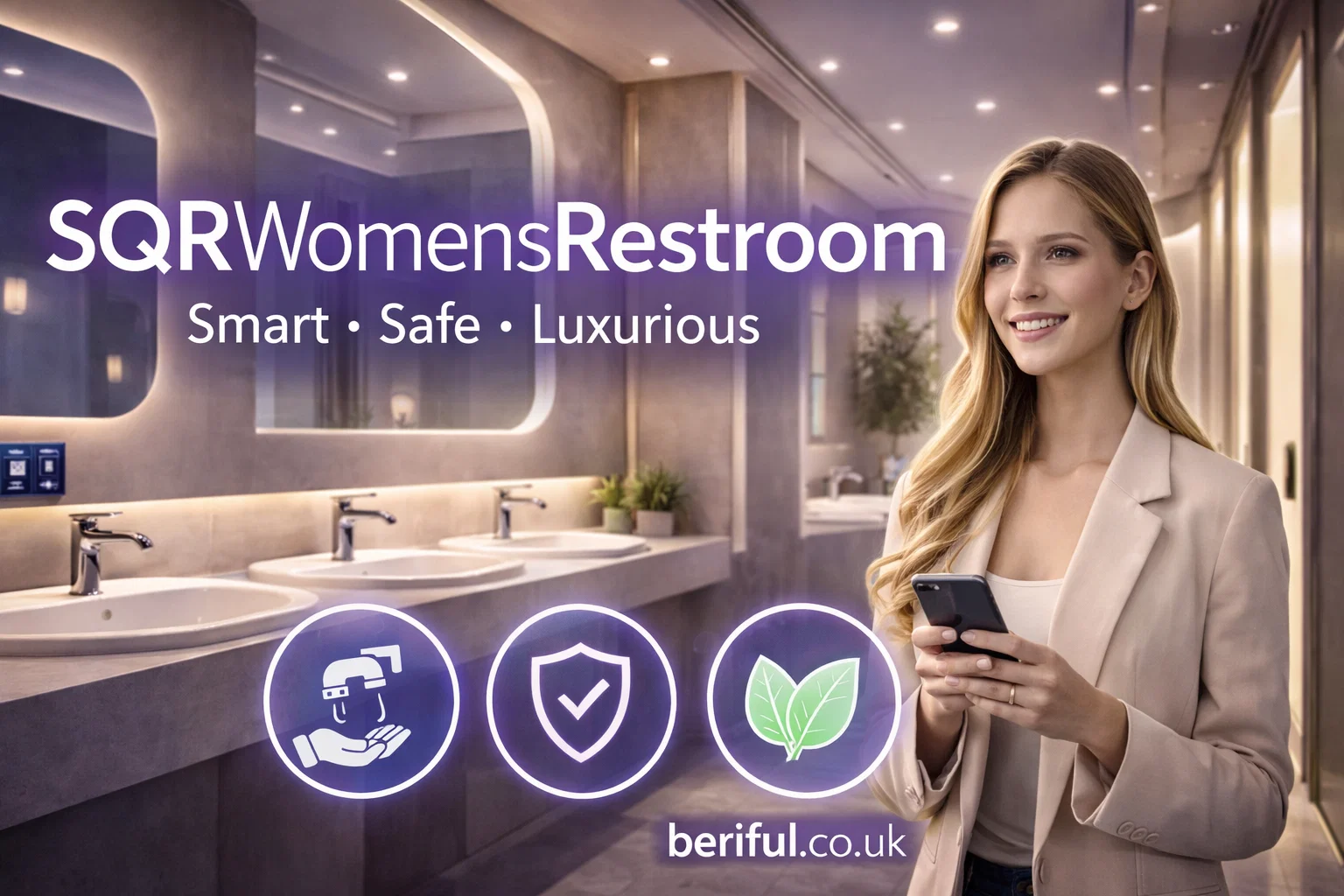
Public restrooms play a crucial role in urban life. The sqrwomensrestroom concept is redefining women’s public restrooms through modern design, safety features, and thoughtful amenities. Women now expect more than functional stalls; they require privacy, comfort, and emotional security. Cities adopting these innovative restroom concepts show significant improvement in user satisfaction, hygiene, and accessibility. Inclusive facilities ensure that urban spaces cater to all women, including differently-abled individuals and families. Modern restroom infrastructure now balances health, functionality, and sustainability. Restroom design has evolved beyond simple functionality to address emotional comfort, reliability, and dignity for every user. Cities integrating smart sensors, touchless technology, and eco-friendly materials achieve public-health goals while providing safe, comfortable spaces for women. Urban planning now considers restroom infrastructure as part of inclusive city design, recognizing the importance of equitable access and psychological comfort for all users.
Quick bio table
| Field | Information |
|---|---|
| Project/Concept Name | sqrwomensrestroom |
| Type | Innovative Public Facility / Women’s Restroom |
| Focus Areas | Privacy, Safety, Hygiene, Comfort, Accessibility, Inclusivity |
| Key Features | Full-height stalls, Baby-changing stations, Unisex accessible stalls, Menstrual hygiene products, Touchless technology, Smart sensors |
| Design Principles | Inclusive design, Human-centered design, Comfort-focused architecture, Privacy-first design, Ergonomic layouts |
| Technology Integration | Smart cleaning systems, IoT integration, Automated maintenance, Predictive cleaning scheduling, Data-driven restroom management |
| Health & Safety | Public-health standards, Antimicrobial surfaces, Ventilation, Lighting, Safety features, Hygiene and disease prevention |
| Sustainability | Eco-friendly materials, Energy efficiency, Water conservation, Sustainable building materials |
| Urban Planning & Facility Management | Crowd management, Facility upgrade solutions, Accessibility codes, Urban infrastructure integration, Facility benchmarks |
| Emotional & Psychological Benefits | Emotional comfort, Dignity and respect, Reliability and functionality, Thoughtful restroom design, Psychological impact |
| Target Users | Women, Families, Differently-abled individuals, Caregivers |
| Future Trends | Smart city restrooms, Advanced hygiene tech, Predictive maintenance, Next generation public hygiene design, Equitable access |
| Category | Health & Wellness / Public Facilities / Urban Design |
Understanding Women’s Needs in Public Restrooms
Women face unique challenges in public restrooms. Long wait times, limited accessibility, and inconsistent hygiene standards often cause discomfort. Restroom features such as full-height stalls, baby-changing stations, and proper lighting address these concerns. Inclusive design ensures that women of all abilities can use facilities safely and comfortably. Privacy is essential for emotional comfort and dignity. Menstrual hygiene products, tactile signage, and ergonomic layouts further enhance usability. Thoughtful restroom design considers both physical and psychological needs. Safety features, emergency alerts, and crowd management strategies reduce stress and improve confidence. Cities prioritizing these elements create spaces that respect users while promoting health, comfort, and accessibility. Women appreciate restrooms that are not only functional but also designed with their well-being in mind. Human-centered design principles ensure that every element, from ventilation to lighting, contributes to a positive user experience. Equitable access is achieved through careful planning, including wide accessible pathways and unisex accessible stalls. Family restrooms and adults-changing stations further demonstrate commitment to inclusive public spaces.
Hygiene and Sanitation Standards
Sanitation is at the core of modern sqrwomensrestroom design. Antimicrobial surfaces and touchless technology minimize disease transmission. Advanced hygiene tech and automated maintenance systems ensure high standards even during peak usage. Ventilation and lighting affect both comfort and cleanliness, enhancing the overall user experience. Smart cleaning systems with IoT integration allow predictive cleaning scheduling, maintaining hygiene consistently. Water-saving fixtures and eco-friendly materials align with sustainable building practices. Hygiene practices extend beyond physical cleanliness to address psychological reassurance. Users feel safe knowing that restrooms are designed to prevent contamination and maintain public-health standards. Regular monitoring and data-driven facility management ensure reliability and functionality. Urban planners increasingly recognize the link between sanitation and public health, making hygiene-focused designs an essential part of city infrastructure. The integration of smart technology provides real-time alerts for maintenance and cleaning, reducing wait times and improving facility usability. Predictive maintenance allows cities to optimize staffing, cleaning schedules, and resource allocation efficiently. Hygiene-focused features such as antimicrobial surfaces, well-maintained ventilation, and touchless fixtures provide lasting benefits for women, families, and the general public.
Privacy and Safety Features
Privacy and safety are fundamental in sqrwomensrestroom design. Full-height stalls, wide accessible pathways, and unisex accessible stalls protect user confidentiality. Safety features, such as emergency alerts, surveillance systems, and secure architectural layouts, enhance user confidence. Family restrooms and adults-changing stations provide additional security for caregivers and children. Thoughtful restroom design addresses psychological comfort alongside physical safety. Users feel respected and valued when privacy is prioritized. Facility management practices ensure that safety features remain functional at all times. Crowd management strategies reduce stress during peak usage periods. Smart sensors, automated maintenance, and data-driven monitoring provide an added layer of security. Cities implementing these design elements create inclusive facilities that accommodate all users effectively. Urban planning strategies now integrate safety considerations as part of restroom infrastructure. Security and privacy in public restrooms positively impact public perception and encourage proper usage. The psychological reassurance from these features contributes to overall emotional comfort, increasing public trust in municipal facilities. Women and caregivers feel confident using facilities that prioritize dignity and safety. Emergency response mechanisms, such as panic buttons and alert systems, add further protection.
Comfort and User Experience
Comfort in public restrooms extends beyond physical design to encompass emotional well-being. Comfort-focused architecture includes ergonomic layouts, proper ventilation, and lighting. Women appreciate thoughtful design that balances functionality with dignity. Soft flooring, ambient lighting, and seating in waiting areas enhance the overall experience. Human-centered design principles consider user convenience, privacy, and efficiency simultaneously. Smart cleaning systems and touchless technology provide smooth and hygienic operations. Modern restroom infrastructure addresses long wait times and peak demand management. Features such as baby-changing stations, adults-changing stations, and unisex stalls create flexible solutions for diverse users. Emotional comfort is enhanced when facilities are clean, safe, and inclusive. Facility managers leverage user feedback to refine design and operations, creating continuous improvement cycles. Urban planners integrate comfort-focused designs to support equitable access and community satisfaction. Consistent user experience encourages regular and proper use, promoting health and hygiene. Smart city restrooms leverage predictive cleaning, ergonomic layouts, and IoT integration to optimize user experience. Accessibility and thoughtful design elements collectively create restrooms that serve women effectively while maintaining dignity and convenience.
Modern Amenities and Technology
Modern amenities enhance usability and hygiene in women’s public restrooms. Smart sensors, touchless fixtures, and IoT integration create efficient, hygienic environments. Automated maintenance ensures facilities remain functional and safe. Data-driven restroom management provides insights into usage patterns, enabling better resource allocation. Predictive cleaning scheduling reduces maintenance delays and improves overall sanitation. Amenities such as menstrual hygiene products, family restrooms, and tactile signage cater to diverse needs. Advanced hygiene tech supports disease prevention and comfort. Smart city restrooms utilize automated monitoring, energy-efficient systems, and ergonomic layouts. IoT integration allows real-time monitoring and reporting, improving reliability and functionality. Touchless technology minimizes contamination risks while reducing the need for manual intervention. Facility managers benefit from predictive maintenance tools, allowing efficient use of staff and resources. Advanced restroom features improve user satisfaction by addressing both practical and emotional needs. Implementing innovative restroom concepts enhances hygiene, comfort, and security for all users. Technology integration ensures consistent quality across multiple locations and peak usage periods.
Sustainability in Restroom Design
Sustainability is a key aspect of modern restroom infrastructure. Eco-friendly materials, energy-efficient lighting, and water-saving fixtures reduce environmental impact. Waste reduction, recycling programs, and sustainable building materials contribute to green urban planning. Cities implementing sustainable design achieve both environmental and public-health benefits. Accessible facilities maintain comfort while supporting sustainable practices. Sustainable restroom design aligns with modern public facility benchmarks, ensuring long-term usability. Water conservation strategies, such as low-flow fixtures, prevent resource wastage. Energy-efficient lighting reduces operational costs while maintaining adequate illumination. Cities integrating these strategies create environmentally responsible public spaces that promote well-being. Predictive cleaning scheduling and smart sensors optimize resource usage. Facility managers can monitor usage patterns to further enhance sustainability efforts. Eco-friendly restrooms demonstrate social responsibility while maintaining hygiene, comfort, and safety standards. Sustainable building materials and energy-efficient systems contribute to both operational efficiency and reduced environmental footprint. Urban planners increasingly emphasize green practices in restroom design, aligning with broader city sustainability goals.
Accessibility and Inclusivity
Accessibility and inclusivity are essential for equitable public spaces. ADA compliance, wide accessible pathways, and unisex accessible stalls support diverse users. Inclusive design ensures that women, differently-abled individuals, and families can comfortably use public restrooms. Family restrooms and adults-changing stations address additional needs. Inclusive public spaces improve emotional comfort and promote dignity. Cities that implement these features demonstrate a commitment to equitable access and human-centered design. Ergonomic layouts, privacy-first design, and thoughtful amenities support diverse user groups. Urban planners increasingly focus on inclusive facilities as part of smart city initiatives. Equitable access enhances satisfaction and fosters positive community engagement. Facilities that combine comfort, safety, and accessibility encourage proper use and hygiene. Data-driven management and user feedback allow continuous improvement of inclusive features. Accessible and inclusive restrooms contribute to overall urban well-being while meeting legal standards and social expectations.
Facility Management and Urban Planning
Efficient facility management ensures that modern restrooms remain functional and hygienic. Smart cleaning systems, predictive maintenance, and data-driven monitoring optimize resource allocation. User feedback informs continuous improvement of layout, amenities, and operational efficiency. Urban planning integrates restroom infrastructure into public facility benchmarks, enhancing city-wide accessibility. Facilities designed with crowd management strategies reduce congestion and long wait times. Peak demand management ensures optimal utilization during high-traffic periods. Facility upgrade solutions incorporate eco-friendly materials, energy efficiency, and advanced hygiene technology. Cities implementing these approaches create safe, hygienic, and user-friendly spaces. Urban planners use smart sensors, data-driven scheduling, and predictive maintenance to maintain reliability. Human-centered design principles guide both facility management and urban planning decisions. Accessibility codes, safety features, and inclusive design elements are monitored and maintained consistently. Effective facility management ensures that restrooms remain sustainable, hygienic, and accessible for all users.
Health Benefits of Modern Restrooms
Modern women’s public restrooms promote both physical and mental health. Hygiene-focused designs reduce the risk of disease transmission. Antimicrobial surfaces, touchless technology, and smart cleaning systems ensure high sanitation standards. Proper ventilation and lighting contribute to overall well-being. Amenities such as menstrual hygiene products, baby-changing stations, and family restrooms support diverse needs. Predictive maintenance ensures consistent cleanliness and reliability. Emotional comfort and psychological reassurance are achieved through privacy-first design and thoughtful layouts. Inclusive facilities contribute to dignity and safety for all users. Urban planners recognize the impact of well-designed restrooms on public health. Smart city restroom solutions improve sanitation, accessibility, and user experience. Sustainable materials and energy-efficient practices enhance environmental and health outcomes. Facility managers leverage technology and data to continuously improve hygiene and comfort standards. Modern restrooms serve as essential infrastructure that supports well-being, hygiene, and safety simultaneously.
Psychological Impact and Emotional Comfort
Restroom design impacts psychological well-being. Women feel safer in spaces that prioritize privacy, safety, and comfort. Thoughtful layouts, full-height stalls, and ambient lighting reduce anxiety. Emotional comfort is enhanced when facilities provide dignity, equitable access, and user-centered amenities. Facility managers focus on maintaining safety and reliability to reinforce user trust. Urban planning emphasizes human-centered design principles. Family restrooms, adults-changing stations, and inclusive spaces further improve emotional reassurance. Predictive cleaning, touchless technology, and IoT integration provide confidence in hygiene and safety standards. Smart city restrooms integrate ergonomic layouts with technology to optimize experience. Equitable access and inclusive design reduce stress and promote positive behavior. Women using thoughtfully designed restrooms experience greater satisfaction and improved well-being. Psychological comfort enhances proper hygiene practices and fosters respect for public facilities. Safety, privacy, and dignity are foundational for modern restroom infrastructure.
Innovative Restroom Concepts
Sqrwomensrestroom embodies innovative restroom concepts. IoT integration, smart sensors, and touchless technology redefine public hygiene. Sustainable materials, energy-efficient systems, and ergonomic layouts create next-generation facilities. Advanced hygiene tech prevents disease transmission while improving usability. Smart cleaning systems optimize maintenance, reducing downtime and ensuring reliability. User feedback and data-driven restroom management allow continuous refinement. Family restrooms, unisex accessible stalls, and adults-changing stations support diverse needs. Thoughtful architecture enhances emotional comfort while maintaining functionality. Inclusive public spaces improve satisfaction and encourage proper use. Cities adopting these innovations demonstrate leadership in hygiene, comfort, and accessibility. Predictive cleaning scheduling reduces stress and ensures optimal resource allocation. Innovative designs balance privacy, safety, and environmental responsibility. Restroom infrastructure becomes a key element of urban planning, public health, and community well-being.
Future Trends in Public Restrooms
Future restrooms focus on smart technology, sustainability, and inclusivity. IoT integration, predictive cleaning, and automated maintenance improve reliability. Ergonomic layouts and privacy-first design enhance emotional comfort. Energy-efficient lighting, water conservation, and eco-friendly materials support environmental responsibility. Inclusive facilities ensure equitable access for all women, families, and differently-abled individuals. Smart city restrooms integrate data-driven management with human-centered design principles. Cities continue to adopt public facility benchmarks that emphasize hygiene, comfort, and sustainability. User feedback informs future improvements, creating responsive and adaptable restrooms. Peak demand management, safety features, and accessibility codes remain central to planning. Psychological impact, dignity, and respect in design guide urban infrastructure decisions. Modern public restrooms become essential for health, safety, and well-being. Women benefit from spaces that combine technology, comfort, and thoughtful design. Future innovations will continue to redefine how public restrooms serve communities efficiently.
Conclusion
The sqrwomensrestroom concept integrates privacy, safety, hygiene, and comfort into modern women’s public restrooms. Inclusive design, advanced hygiene tech, touchless systems, and sustainable materials enhance user experience. Cities benefit from improved facility management, crowd control, and equitable access. Thoughtful architecture and ergonomic layouts provide both physical and emotional comfort. Urban planners recognize the role of restrooms in public health, sustainability, and inclusive city infrastructure. Women and caregivers feel safer and more respected in these thoughtfully designed spaces. Smart sensors, predictive cleaning, and IoT integration ensure hygiene and functionality at all times. Emotional comfort, privacy, and accessibility remain central to successful restroom infrastructure. The integration of technology, sustainability, and human-centered design makes modern restrooms indispensable. Continuous improvement based on data and feedback ensures long-term usability. Sqrwomensrestroom demonstrates how innovative design transforms urban public facilities for women and families. Equitable access, safety, and comfort are no longer optional—they are essential elements of modern urban life.
FAQs
1. What is the sqrwomensrestroom concept?
It is a modern approach to women’s public restrooms emphasizing hygiene, privacy, safety, and comfort.
2. How does touchless technology improve restrooms?
Touchless systems reduce contamination, improve hygiene, and streamline maintenance processes.
3. What amenities are essential in modern women’s restrooms?
Full-height stalls, baby-changing stations, unisex accessible stalls, menstrual hygiene products, and proper lighting are essential.
4. Why is inclusive design important in public restrooms?
Inclusive facilities ensure equitable access, promote dignity, and accommodate women, families, and differently-abled users.
5. How does sustainability factor into restroom design?
Eco-friendly materials, energy efficiency, and water conservation reduce environmental impact and support public health.
